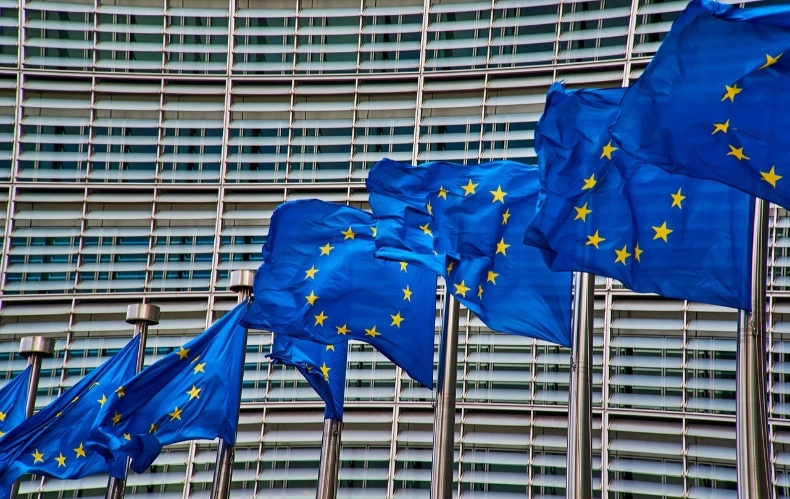
EU Approves €489 Million for Spain, Portugal, Italy and Malta After Early 2026 Storms
Section: Business
The German labor market is experiencing significant changes as recent data indicates a rapid transformation in employment trends across various sectors. Traditional industries such as manufacturing, construction, and office-based professions are encountering new challenges, prompting many companies to reevaluate their hiring strategies and workforce requirements.
According to insights obtained from a broad range of German businesses, there is a noticeable decrease in recruitment within sectors that have historically driven employment. Industrial firms, for example, are contending with increased automation and evolving global supply chains, leading to a more cautious approach toward expanding their personnel. Similarly, the construction sector is observing a slowdown attributed to rising costs, regulatory changes, and shifting investment patterns. Many office-based roles are also being reviewed due to advances in digitalization and remote working practices, resulting in reduced demand for certain administrative positions.
Despite these challenges, the employment landscape is not uniformly negative. New job opportunities are emerging in unexpected areas, reflecting broader economic and technological developments. Sectors such as renewable energy, digital services, healthcare, and logistics are experiencing a surge in demand for skilled workers. The transition toward sustainable energy and the ongoing digital transformation are key drivers behind this shift, creating roles that require new expertise and adaptability.
Digitalization, in particular, has led to the creation of positions in IT, cybersecurity, data analysis, and e-commerce. As businesses invest in online platforms and digital infrastructure, there is a growing need for professionals who can manage these systems and support organizational change. Healthcare and logistics, bolstered by demographic trends and increased e-commerce activity, are also actively recruiting to meet rising consumer and societal needs.
Company representatives acknowledge the need to balance cost management with the necessity of investing in future-oriented skills. While some organizations are implementing hiring freezes or reducing staff in certain departments, others are shifting resources to bolster innovations and strategic growth areas. This approach is evident in efforts to retrain existing employees, invest in upskilling programs, and partner with educational institutions to secure a pipeline of talent equipped for the evolving job market.
Experts emphasize that the current job market transformation requires both flexibility and forward-thinking strategies from employers and employees alike. Adaptability to new technologies, willingness to pursue lifelong learning, and openness to shifting career paths are becoming essential attributes in the modern workforce.
The ongoing sectoral realignment in the German employment market illustrates the complexity of economic change. While some traditional roles are diminishing, the emergence of new opportunities in innovative industries signals a broader transition that is set to shape the future of work in Germany. Stakeholders across the economy are advised to monitor these trends closely and proactively prepare for continued evolution in the labor market.
Section: Business

Section: Business

Section: News

Section: Science

Section: Business

Section: Arts

Section: Health
Section: Politics

Section: Politics

Section: Business
Both private Health Insurance in Germany and public insurance, is often complicated to navigate, not to mention expensive. As an expat, you are required to navigate this landscape within weeks of arriving, so check our FAQ on PKV. For our guide on resources and access to agents who can give you a competitive quote, try our PKV Calculator.
Germany is famous for its medical expertise and extensive number of hospitals and clinics. See this comprehensive directory of hospitals and clinics across the country, complete with links to their websites, addresses, contact info, and specializations/services.
Didn't manage to get a ticket for Linkin Park? Or still not enough after the concert? Join us at CRASH on June 12th for our "IN THE END" Linkin Park Special + CORE NIGHT.All night long, we'll be playing Linkin Park's music, along with Nu Metal, Metalcore, and Alternative Rock from bands such as Limp...



No comments yet. Be the first to comment!