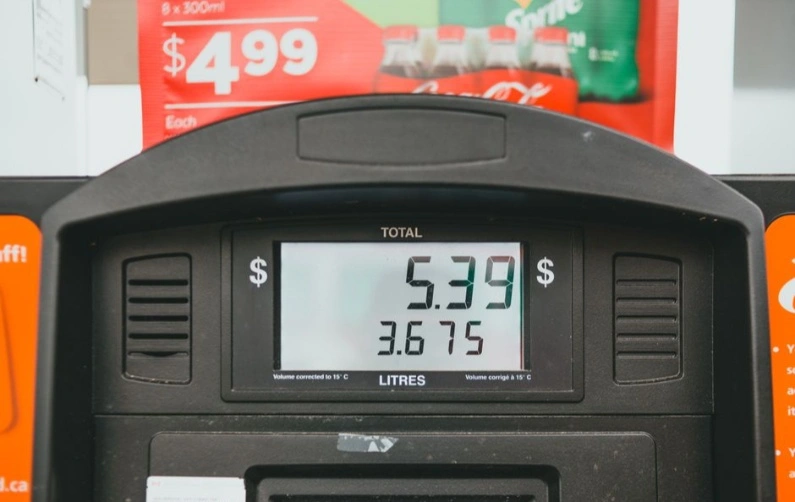
G7 nations agree to release oil reserves amid high fuel prices
Section: News
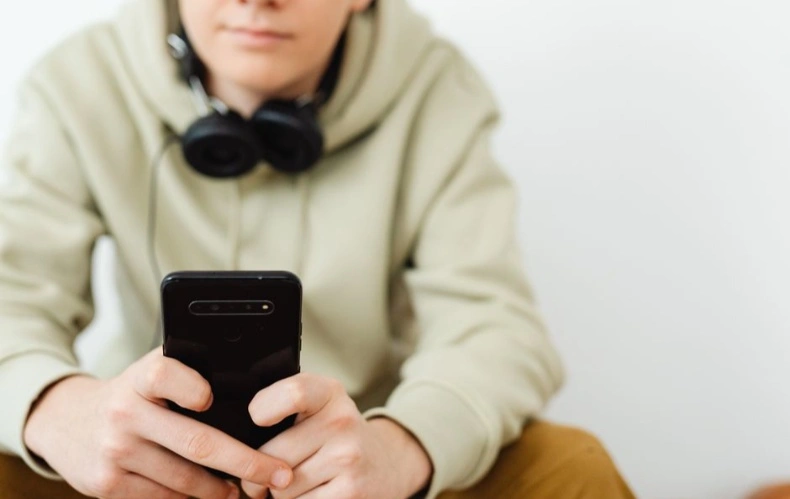
France is currently considering new legislation that would restrict access to major social media and video platforms for individuals under the age of 15. The proposal has sparked a significant discussion in the National Assembly in Paris, aiming to address concerns regarding the mental, physical, and moral well-being of children who engage with online platforms.
The proposed law outlines the creation of an official list of platforms that would be off-limits to those under 15, reflecting growing concern about the influence of digital content on young users. Access to certain sites would only be permitted with explicit parental consent, and even then, parental controls would dictate what content minors can view, as well as the duration and timing of their online activity.
The initiative comes amid mounting evidence linking increased screen time to declining educational performance and a rise in mental health challenges among youth. French authorities are emphasizing the importance of safeguarding young users from exposure to online material that could negatively affect their development.
Details of the legislation suggest a two-tiered approach. Some platforms, due to the nature of their content or recommendation algorithms, would be completely inaccessible to minors under the age threshold. Others would require robust parental oversight, with clear guidelines on permissible content and usage limits, potentially enforced through digital tools and user verification mechanisms.
French leadership has expressed a desire for these regulations to be in place by the start of the next academic year, underscoring the urgency of addressing the issue. Previous attempts to impose a minimum age of 15 for opening unsupervised social media accounts faced legal and regulatory hurdles at the European level, which prevented their full implementation.
This legislative effort aligns with a growing international trend toward stricter age-based restrictions on social media. In Australia, for instance, children and teenagers under 16 are now prohibited from creating personal accounts on many major platforms, following the introduction of new laws in December that resulted in the deactivation or restriction of millions of underage accounts. Similarly, the United Kingdom's upper legislative chamber has voted in favor of banning social media access for users under 16, although the final decision rests with the lower house.
The move in France reflects a wider debate taking place across Europe, including in Germany, about the appropriate age for social media engagement. Policymakers are weighing the benefits of digital connectivity against the risks of exposure to harmful content, addiction, and online exploitation.
Should the French bill pass, it would represent one of the strictest approaches to child online safety in Europe. Proponents argue that such measures are necessary to protect the next generation from the potentially detrimental effects of unsupervised digital interaction. Critics, however, caution against overregulation, emphasizing the need for digital literacy and the importance of preparing young people to navigate online spaces responsibly.
The outcome of the debate in France is likely to influence similar discussions across the continent, as governments seek effective strategies to balance freedom of expression, technological innovation, and the imperative of child protection in an increasingly digital society.
Section: News
Section: Politics
Section: News

Section: Fashion

Section: Fashion
Section: Arts
Section: Business
Section: Business
Section: News
Section: Arts
Both private Health Insurance in Germany and public insurance, is often complicated to navigate, not to mention expensive. As an expat, you are required to navigate this landscape within weeks of arriving, so check our FAQ on PKV. For our guide on resources and access to agents who can give you a competitive quote, try our PKV Calculator.
Germany is famous for its medical expertise and extensive number of hospitals and clinics. See this comprehensive directory of hospitals and clinics across the country, complete with links to their websites, addresses, contact info, and specializations/services.
Didn't manage to get a ticket for Linkin Park? Or still not enough after the concert? Join us at CRASH on June 12th for our "IN THE END" Linkin Park Special + CORE NIGHT.All night long, we'll be playing Linkin Park's music, along with Nu Metal, Metalcore, and Alternative Rock from bands such as Limp...



No comments yet. Be the first to comment!