
Fears over AI market slow impact global tech stocks
Section: Business
Felix Banaszak, the co-chair of Germany's Green Party and a current member of the Bundestag, is currently under investigation by the Berlin public prosecutor's office. The probe centers on allegations that Banaszak failed to pay the appropriate secondary residence tax during his time in Berlin. According to Banaszak, the issue arose due to administrative oversights during several relocations within the city, which led to outdated information regarding his secondary residence being registered with the tax authorities.
The Berlin public prosecutor's office has not provided specific comments on the investigation, citing confidentiality requirements under tax law. However, Banaszak acknowledged the situation publicly, explaining that he did not sufficiently update his records and expressing regret for the administrative error. He further stated his willingness to cooperate fully with authorities, having already submitted all relevant documents and information through his legal counsel. Banaszak also indicated that he would pay any outstanding amounts as soon as the relevant demands are issued by the authorities.
The secondary residence tax in Berlin is assessed as a percentage of the net cold rent. For tax periods between 2019 and 2025, the rate was set at 15 percent, increasing to 20 percent from the previous year. Banaszak reported that, due to the missed updates with the tax office, he has underpaid this tax since 2022. His primary residence remains registered in his electoral district in Duisburg, while his secondary residence in Berlin is a result of his parliamentary duties.
Felix Banaszak has served as a member of the Bundestag since 2021 and has held the position of co-chair of the Green Party alongside Franziska Brantner since late 2024. The Green Party has stated that Banaszak only became aware of the investigation recently. Given his status as a member of parliament, Banaszak is generally protected by parliamentary immunity, which prevents criminal proceedings from being initiated without prior notification to the president of the Bundestag. However, there is a general approval for certain types of investigations, with the proviso that more intrusive measures, such as property searches, would require explicit approval from the Bundestag's plenary.
The case has drawn attention to the responsibilities of public officials in managing their personal and administrative affairs, particularly concerning tax obligations. The Berlin secondary residence tax is designed to ensure that individuals who maintain more than one residence in the city contribute appropriately to municipal finances. The authorities maintain strict procedural rules, and administrative oversights, even if unintentional, can result in legal scrutiny and subsequent financial penalties.
As the investigation progresses, Banaszak has reiterated his intention to comply fully with the legal process and to settle any outstanding obligations promptly. The case underscores the importance of accurate record-keeping and timely reporting of changes in residence, especially for individuals in positions of public trust.
Section: Business
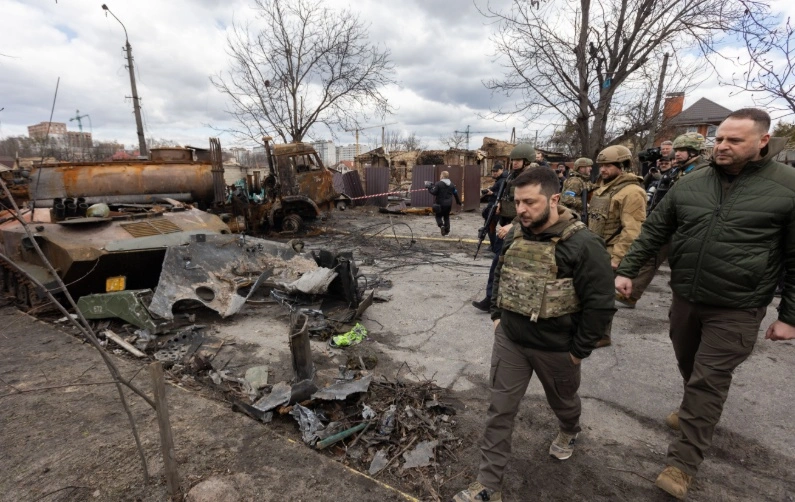
Section: Politics
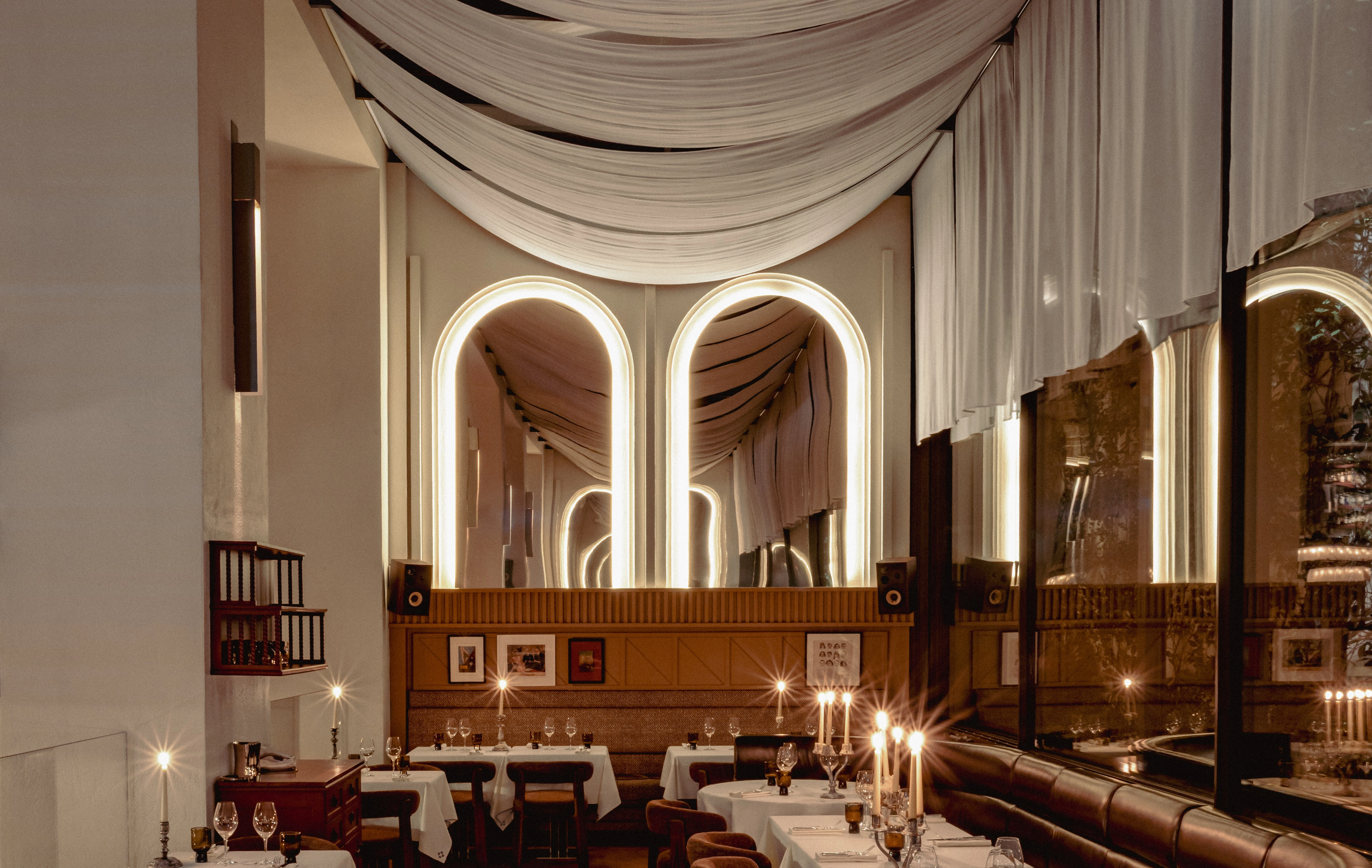
Section: Travel
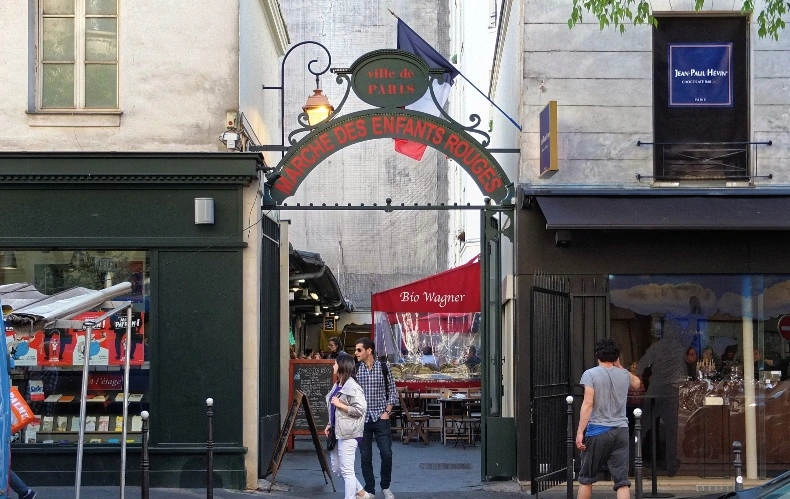
Section: News
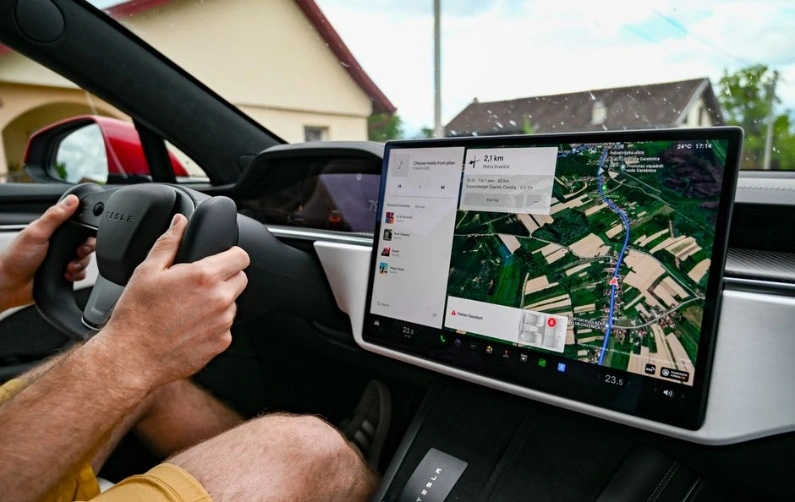
Section: Science

Section: Health
Section: Business
Section: Fashion

Section: Science

Section: Business
Both private Health Insurance in Germany and public insurance, is often complicated to navigate, not to mention expensive. As an expat, you are required to navigate this landscape within weeks of arriving, so check our FAQ on PKV. For our guide on resources and access to agents who can give you a competitive quote, try our PKV Calculator.
Germany is famous for its medical expertise and extensive number of hospitals and clinics. See this comprehensive directory of hospitals and clinics across the country, complete with links to their websites, addresses, contact info, and specializations/services.
Didn't manage to get a ticket for Linkin Park? Or still not enough after the concert? Join us at CRASH on June 12th for our "IN THE END" Linkin Park Special + CORE NIGHT.All night long, we'll be playing Linkin Park's music, along with Nu Metal, Metalcore, and Alternative Rock from bands such as Limp...



No comments yet. Be the first to comment!