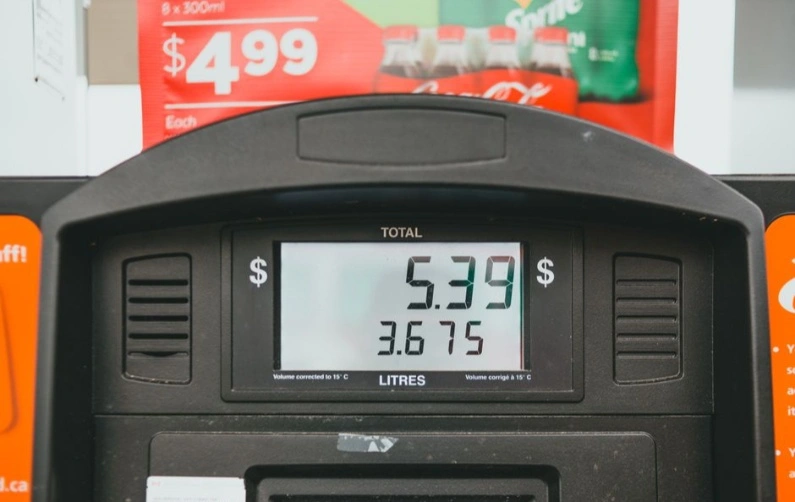
G7 nations agree to release oil reserves amid high fuel prices
Section: News
The German Federal Audit Office has raised concerns over the procurement and use of smartphones by the country's customs administration, highlighting significant inefficiencies and financial mismanagement. According to a recent report, approximately EUR35 million was spent on over 17,000 specialized smartphones intended for customs officials in 2021 and 2022. However, a large portion of these devices remained largely unused and was replaced by 2024.
The smartphones were initially acquired in response to warnings about increased cyber threats targeting federal IT infrastructure. The Federal Office for Information Security (BSI) mandated that communications within customs operations be fully encrypted, prompting the large-scale purchase of BSI-approved devices. Despite these efforts, the operational infrastructure required for these smartphones to handle classified communications was not yet authorized at the time of deployment. This technical limitation meant that customs staff could not use the devices for their primary intended purpose--securing the exchange of sensitive information.
Further compounding the issue, the smartphones were hindered by several functional restrictions. Features such as calendar access, telephone directories, image transmission, and the ability to retrieve official emails were absent. High power consumption also led to reduced battery life, making the devices less practical for daily field use. As a result, many customs employees continued to rely on basic mobile phones rather than adopting the new devices.
The majority of these smartphones were replaced by 2024, with clearance for classified communications granted only after most devices had already been phased out. The Audit Office noted that the smartphones delivered minimal practical value and did not meet the operational needs of customs personnel. The report emphasized that investments in equipment must be practical and provide demonstrable benefits to public service, urging government agencies to avoid similar missteps in the future.
Despite the criticism, the Ministry of Finance defended the procurement as a strategic modernization effort designed to enhance communication security within the customs administration. The Ministry stated that transitioning to these specialized devices represented a meaningful system upgrade, significantly improving the safety of official communication, even though use limitations persisted due to delayed security approvals. The Ministry also attributed short battery life to the mobile network environment and noted that only BSI-certified devices were eligible for procurement at the time.
The Federal Audit Office, however, argued that the procurement was conducted without a thorough and critical assessment of actual needs. It highlighted the mismatch between the technical requirements and the practical realities faced by customs staff. Despite these findings, the General Customs Directorate has indicated an ongoing need for more than 20,000 secure smartphones, exceeding current equipment levels by approximately 2,700 units.
The incident has sparked renewed debate over digitalization efforts and budgetary discipline within German government agencies, particularly regarding the acquisition and implementation of secure communications technology. The Audit Office's recommendations stress the importance of aligning technological investments with operational requirements to ensure taxpayer funds are used efficiently and effectively.
Section: News
Section: Politics
Section: News

Section: Fashion

Section: Fashion

Section: Arts
Section: Business
Section: Business
Section: News
Section: Arts
Both private Health Insurance in Germany and public insurance, is often complicated to navigate, not to mention expensive. As an expat, you are required to navigate this landscape within weeks of arriving, so check our FAQ on PKV. For our guide on resources and access to agents who can give you a competitive quote, try our PKV Calculator.
Germany is famous for its medical expertise and extensive number of hospitals and clinics. See this comprehensive directory of hospitals and clinics across the country, complete with links to their websites, addresses, contact info, and specializations/services.
Didn't manage to get a ticket for Linkin Park? Or still not enough after the concert? Join us at CRASH on June 12th for our "IN THE END" Linkin Park Special + CORE NIGHT.All night long, we'll be playing Linkin Park's music, along with Nu Metal, Metalcore, and Alternative Rock from bands such as Limp...



No comments yet. Be the first to comment!