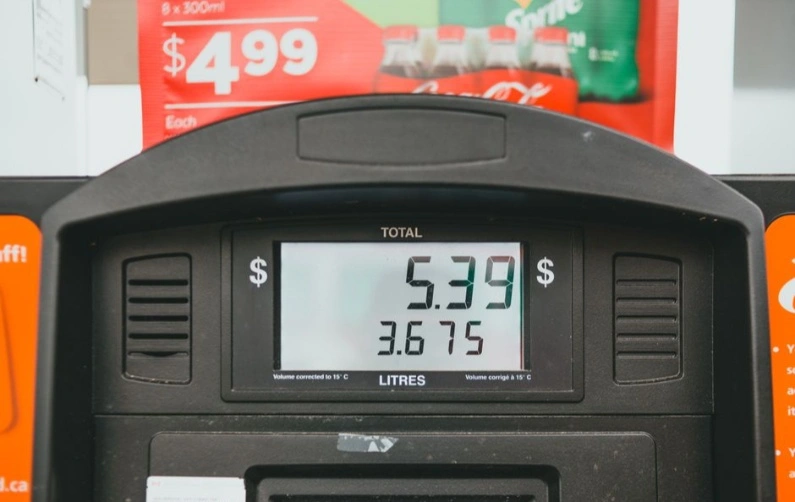
G7 nations agree to release oil reserves amid high fuel prices
Section: News
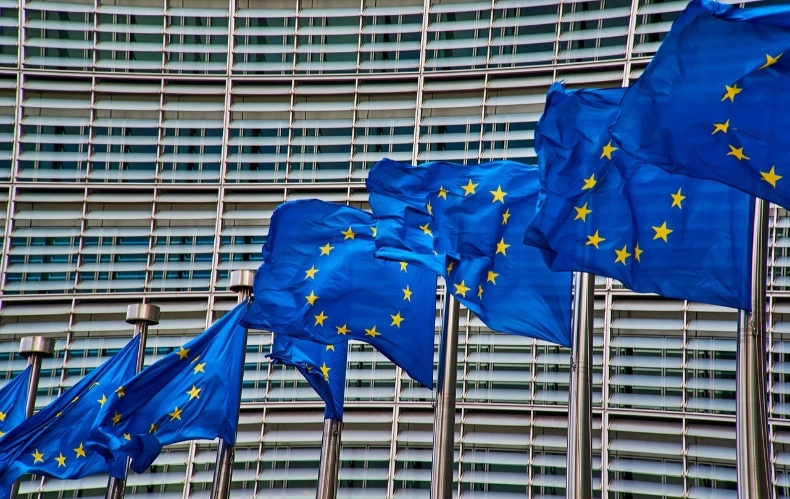
The European Union has reached a consensus to significantly scale back its forthcoming supply chain legislation, which was originally intended to enhance corporate accountability regarding human rights and environmental standards. The revised framework will now only apply to a limited number of large corporations, following negotiations between representatives of EU member states and the European Parliament in Brussels.
Under the updated criteria, the law will be enforced exclusively on companies with at least 5,000 employees and an annual global turnover of no less than 1.5 billion euros. This marks a substantial amendment from the initial thresholds, which set the bar at 1,000 employees and a turnover of 450 million euros. The changes are pending formal approval by both the Parliament and member states, but this step is generally considered procedural.
One of the most notable modifications is the removal of EU-wide civil liability for companies that breach the regulations. This adjustment effectively limits the legal avenues available to individuals or groups seeking to claim damages for human rights violations within supply chains. In place of civil lawsuits, regulatory penalties for non-compliance will be capped at a maximum of three percent of a company's worldwide net revenue. Additionally, corporations will no longer be compelled to develop mandatory action plans for climate objectives as part of their compliance obligations.
The decision to dilute the scope of the supply chain law follows a period of intense political debate. Conservative factions within the European Parliament, supported by right-wing and far-right parties, played a decisive role in advocating for a less stringent version of the legislation. This shift occurred after several EU states had already expressed reservations about the original, more rigorous requirements.
Advocates of the initial proposal argued that the law was vital for strengthening human rights protections across global business operations, particularly in industries where issues such as child labor or forced labor are prevalent. The intention was to hold large companies accountable for abuses occurring anywhere within their supply chains. However, business groups and industry representatives voiced strong opposition, citing the administrative burden and the complexity of monitoring compliance across intricate, international supply networks.
The parliamentary process leading up to the final agreement saw an unusual coalition emerge, with conservative members seeking support outside the customary alliances between the main political blocs. Typically, conservatives, social democrats, and liberals collaborate to secure a working majority in the European Parliament. The passage of the weakened supply chain directive, however, relied on support from right-leaning groups, raising questions about future cooperation and the stability of existing parliamentary alliances.
Opposition to the revised law has been vocal among social democratic and Green representatives, who argue that the amendments significantly undermine the EU's commitment to human rights and environmental protection. Critics maintain that the compromise deprioritizes these fundamental objectives in favor of reducing regulatory obligations for major corporations.
As the final approval process proceeds, the outcome is expected to have far-reaching implications for both the EU's legislative agenda and the broader movement towards corporate responsibility in international business activities. The reduction in scope and enforcement mechanisms may affect the effectiveness of the EU's efforts to promote higher standards within global supply chains, with stakeholders on all sides watching closely to assess the long-term impact of these legislative changes.
Section: News
Section: Politics
Section: News

Section: Fashion

Section: Fashion
Section: Arts
Section: Business

Section: Business

Section: News
Section: Arts
Both private Health Insurance in Germany and public insurance, is often complicated to navigate, not to mention expensive. As an expat, you are required to navigate this landscape within weeks of arriving, so check our FAQ on PKV. For our guide on resources and access to agents who can give you a competitive quote, try our PKV Calculator.
Germany is famous for its medical expertise and extensive number of hospitals and clinics. See this comprehensive directory of hospitals and clinics across the country, complete with links to their websites, addresses, contact info, and specializations/services.
Didn't manage to get a ticket for Linkin Park? Or still not enough after the concert? Join us at CRASH on June 12th for our "IN THE END" Linkin Park Special + CORE NIGHT.All night long, we'll be playing Linkin Park's music, along with Nu Metal, Metalcore, and Alternative Rock from bands such as Limp...



No comments yet. Be the first to comment!