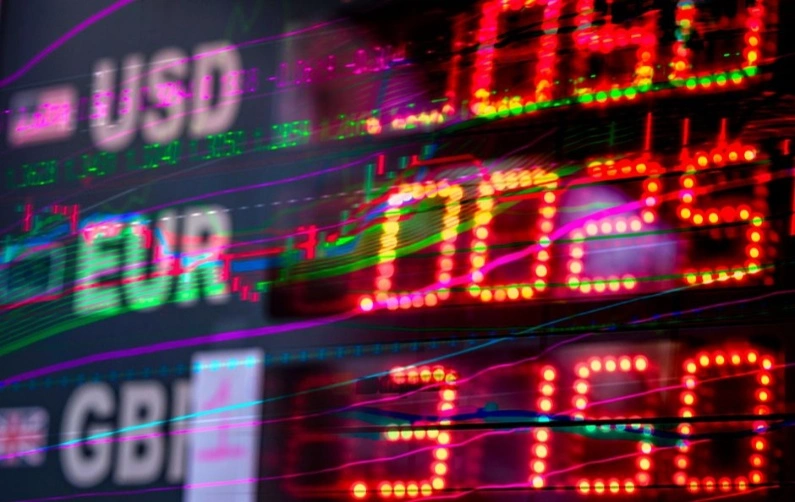
Fears over AI market slow impact global tech stocks
Section: Business
The European Union has introduced new trade measures aimed at addressing concerns over global steel overproduction and protecting the continent's steel industry from international market pressures. The move comes in response to rising levels of inexpensive steel imports, largely attributed to surplus production in countries such as China and the United States, which have adopted their own protectionist policies.
New Tariffs to Counteract Global OvercapacityThe EU's latest policy package includes significant reductions in duty-free import quotas for steel products. Imports exceeding these quotas are now subject to higher tariffs, with rates doubling to 50 percent. This approach is intended to offer robust protection for European steel manufacturers and secure employment across the sector, which has experienced substantial job losses in recent years due to increased competition and market volatility.
Balancing Trade Policy and Industrial StrategyWhile the new trade measures have drawn support from across the political spectrum, including traditionally pro-market parties and the European Commission, there remains an ongoing debate regarding the distinction between left-leaning and right-leaning protectionist policies. Supporters of the measures argue that these interventions are fundamentally defensive, designed to ensure fair competition and prevent further erosion of jobs in the European steel industry.
Advocates emphasize the need for a cohesive European industrial policy that integrates social criteria, such as job security and vocational training, into investment decisions. Central to this strategy is the promotion of 'green steel'--the production of steel using environmentally sustainable methods--requiring significant investment and state support to remain competitive on the global stage.
Implications for European Economic PolicyThe steel sector's challenges have reignited discussions about the appropriate balance between free trade and strategic autonomy in Europe. Policymakers are considering the introduction of minimum requirements for the use of European raw materials and goods within supply chains to enhance resilience. Further, there is a growing call for policy shifts away from strict fiscal constraints towards increased investment, particularly in areas that can drive future competitiveness and employment.
European industry also faces the challenge of high energy costs relative to global competitors. Proposals for an industrial electricity pricing scheme have been put forward as a means to level the playing field and support domestic producers. Additionally, there is a push to ensure that corporate profits are reinvested into businesses to bolster job security, rather than being distributed exclusively to shareholders.
Debate on Structural Transformation and Trade RelationsSome economic experts have advocated for relocating primary iron production abroad and importing climate-neutral intermediate goods as a means of advancing the sector's transformation. However, others argue that domestic investment in green steel production is essential to preserving jobs and ensuring the long-term viability of the industry within Europe. Recent investments in facilities such as those in the Saar region highlight the commitment to modernizing the sector, though stakeholders express concern over inconsistent EU policies that may hinder progress.
Managing International Trade TensionsThe new trade measures have also intensified scrutiny of the EU's broader trade strategy, particularly in light of ongoing tensions with major global economies. While the United States has adopted aggressive protectionist measures, the EU's approach is characterized as defensive, intended to uphold market stability rather than pursue dominance. Nevertheless, the risk of retaliatory actions, especially from China--which has warned of possible countermeasures affecting critical raw materials--remains a key concern for policymakers.
Efforts are underway to strengthen the rules-based international trading system, though its effectiveness is currently limited by a range of factors, including escalating trade disputes, geopolitical conflicts, and disruptions to global supply chains. The EU faces the challenge of maintaining access to vital resources while advocating for fair and mutually beneficial trade relationships with partners such as China. Ensuring that these relationships operate under transparent and equitable rules is seen as critical to safeguarding the future of European industry and employment.
Section: Business
Section: Politics

Section: Travel
Section: News
Section: Science

Section: Health
Section: Business
Section: Fashion

Section: Science

Section: Business
Both private Health Insurance in Germany and public insurance, is often complicated to navigate, not to mention expensive. As an expat, you are required to navigate this landscape within weeks of arriving, so check our FAQ on PKV. For our guide on resources and access to agents who can give you a competitive quote, try our PKV Calculator.
Germany is famous for its medical expertise and extensive number of hospitals and clinics. See this comprehensive directory of hospitals and clinics across the country, complete with links to their websites, addresses, contact info, and specializations/services.
Didn't manage to get a ticket for Linkin Park? Or still not enough after the concert? Join us at CRASH on June 12th for our "IN THE END" Linkin Park Special + CORE NIGHT.All night long, we'll be playing Linkin Park's music, along with Nu Metal, Metalcore, and Alternative Rock from bands such as Limp...

No comments yet. Be the first to comment!