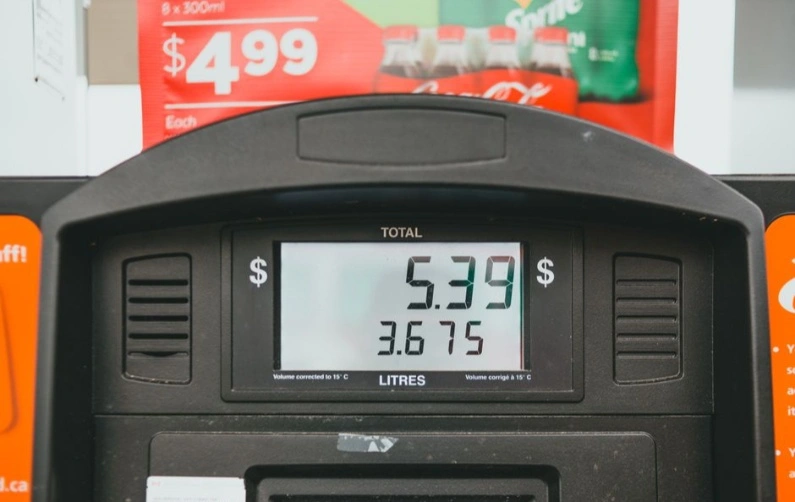
G7 nations agree to release oil reserves amid high fuel prices
Section: News
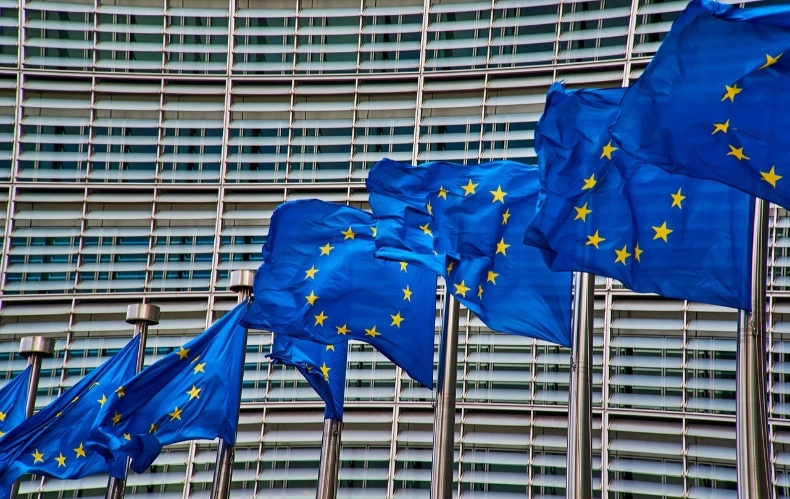
The President of the European Commission has expressed support for new nuclear energy initiatives in Europe, characterizing the reduction of nuclear power in previous decades as a strategic miscalculation. Speaking at an international nuclear energy summit in Paris, she highlighted the persistent structural challenges posed by high electricity prices across the continent. The President emphasized that the availability and affordability of electricity are crucial for supporting advancements in robotics and artificial intelligence, both of which are expected to play a significant role in Europe's future economic development.
Europe's reliance on imported fossil fuels was underscored as a major vulnerability. The continent lacks significant domestic oil and gas resources, which leads to dependence on costly and volatile energy imports. In response, the Commission leader advocated for a diversified energy portfolio that leverages both nuclear power and renewable sources to meet energy demands while strengthening resilience and sustainability.
Over the past three decades, the share of nuclear power in Europe's electricity mix has dropped from one-third to approximately 15 percent. This decline, attributed to deliberate policy decisions following events such as the Fukushima disaster, is now being reassessed. The President described the reduction as a strategic error in retrospect, given Europe's current energy challenges and climate objectives.
The European Commission is preparing to introduce further measures to promote affordable and clean energy solutions. Among the upcoming proposals are detailed plans for the deployment of small modular reactors (SMRs), which are anticipated to become operational in the early 2030s. These reactors are designed to complement existing power systems by providing flexible and scalable energy options.
To incentivize investment in nuclear technologies, the Commission announced financial guarantees totaling 200 million euros, sourced from emissions trading revenues. This funding aims to foster innovation and secure Europe's position as a leader in nuclear energy development. The President reiterated Europe's ambition to participate actively in the global nuclear renaissance, stating that the continent possesses the necessary resources and expertise to be at the forefront of the industry.
However, the issue of sourcing nuclear fuel remains unresolved. European Union member states currently depend on uranium imports from outside the EU, as none of the world's 12 largest uranium-producing nations are located within the bloc. Key suppliers include Australia, Kazakhstan, Canada, Namibia, Russia, and Niger, highlighting a continued reliance on external partners for nuclear fuel supply.
The renewed commitment to nuclear energy comes amid broader efforts to achieve energy security, reduce greenhouse gas emissions, and maintain competitive electricity prices for European consumers and industries. The combination of nuclear and renewable energy is being positioned as central to these objectives, aiming to deliver a robust, affordable, and independent power supply for Europe's future.
Section: News
Section: Politics
Section: News
Section: Fashion
Section: Fashion
Section: Arts
Section: Business
Section: Business

Section: News
Section: Arts
Both private Health Insurance in Germany and public insurance, is often complicated to navigate, not to mention expensive. As an expat, you are required to navigate this landscape within weeks of arriving, so check our FAQ on PKV. For our guide on resources and access to agents who can give you a competitive quote, try our PKV Calculator.
Germany is famous for its medical expertise and extensive number of hospitals and clinics. See this comprehensive directory of hospitals and clinics across the country, complete with links to their websites, addresses, contact info, and specializations/services.
Didn't manage to get a ticket for Linkin Park? Or still not enough after the concert? Join us at CRASH on June 12th for our "IN THE END" Linkin Park Special + CORE NIGHT.All night long, we'll be playing Linkin Park's music, along with Nu Metal, Metalcore, and Alternative Rock from bands such as Limp...



No comments yet. Be the first to comment!