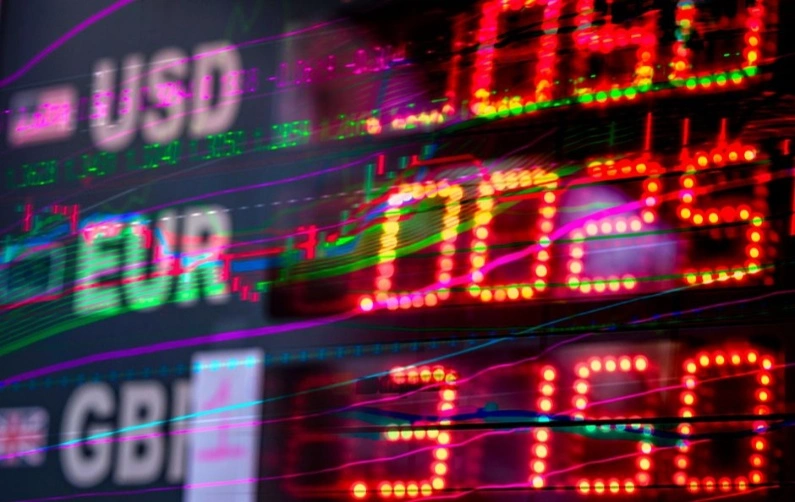
Fears over AI market slow impact global tech stocks
Section: Business
The European Commission has introduced significant changes to its emissions trading system (ETS), aiming to balance industrial competitiveness with climate objectives. The newly proposed measures are intended to ease financial pressure on heavy industries while maintaining the EU's long-term commitment to reducing greenhouse gas emissions.
Key Aspects of the Emissions Trading ReformThe ETS has historically required companies that emit carbon dioxide to purchase emissions certificates, with the total number of available certificates decreasing annually. This system is designed to incentivize businesses to adopt cleaner technologies. Under the new reform, the annual reduction rate for emissions certificates will be moderated, dropping from over 4% to 3.7% starting in 2031, and further declining to 1.7% from 2036. This adjustment is aimed at giving industries more time to adapt and invest in sustainable solutions.
The Commission is also piloting a mechanism that allows the EU to purchase up to 260 million international climate credits. These credits would offset domestic emissions through verified environmental projects abroad. If the global market fails to deliver sufficient projects by 2033, the reduction rate will automatically return to 2.7% from 2036 onward.
Expansion and Incentives in the Revised SchemeThe scope of the ETS will expand to include waste incineration and additional international flights, up to a radius of 5,000 kilometers. The existing system of free emissions certificates for heavy industry will be phased out and replaced with investment allowances. These allowances will only be granted for demonstrable green investments within Europe, linking financial support directly to sustainability efforts.
Additionally, 250 million extra certificates will be auctioned to fund new technologies that capture and permanently store carbon dioxide from the atmosphere. This initiative is intended to promote innovation in carbon removal solutions.
Industrial Support and Financial MechanismsTo facilitate the transition to cleaner technologies, the Commission plans to establish a new Industrial Decarbonization Bank with a budget of EUR100 billion. This institution will provide financial assistance to companies undertaking major environmental upgrades. Member states will also be required to reinvest at least half of their ETS revenue directly into decarbonizing sectors covered by the emissions trading system.
The reform is partly in response to concerns from major industrial groups about the risk of deindustrialization in Europe. Industry leaders have argued that stricter climate regulations could threaten jobs and competitiveness if not accompanied by substantial support measures.
Reactions from Environmental Groups and LawmakersDespite the efforts to support industry, the reform has drawn criticism from environmental organizations and researchers. Experts warn that the slower pace of emissions reduction and targeted subsidies for lagging sectors may hinder the EU's ability to meet its climate targets. Some organizations argue that the reforms favor established industries rather than prioritizing companies already leading in sustainability transitions.
Concerns have also been raised about the lack of job protections associated with the new investment allowances. Critics point out that while companies are required to invest in green projects, there are no binding conditions to safeguard employment levels, raising questions about the broader social impact of the reform.
Next Steps in the Legislative ProcessThe proposed changes to the emissions trading system must now be reviewed by the European Parliament before entering negotiations with the EU Council. The process is expected to involve extensive debate among policymakers, with particular focus on balancing industrial competitiveness, climate goals, and social protections.
Section: Business

Section: Politics

Section: Travel

Section: News

Section: Science

Section: Health
Section: Business
Section: Fashion

Section: Science

Section: Business
Both private Health Insurance in Germany and public insurance, is often complicated to navigate, not to mention expensive. As an expat, you are required to navigate this landscape within weeks of arriving, so check our FAQ on PKV. For our guide on resources and access to agents who can give you a competitive quote, try our PKV Calculator.
Germany is famous for its medical expertise and extensive number of hospitals and clinics. See this comprehensive directory of hospitals and clinics across the country, complete with links to their websites, addresses, contact info, and specializations/services.
Didn't manage to get a ticket for Linkin Park? Or still not enough after the concert? Join us at CRASH on June 12th for our "IN THE END" Linkin Park Special + CORE NIGHT.All night long, we'll be playing Linkin Park's music, along with Nu Metal, Metalcore, and Alternative Rock from bands such as Limp...

No comments yet. Be the first to comment!