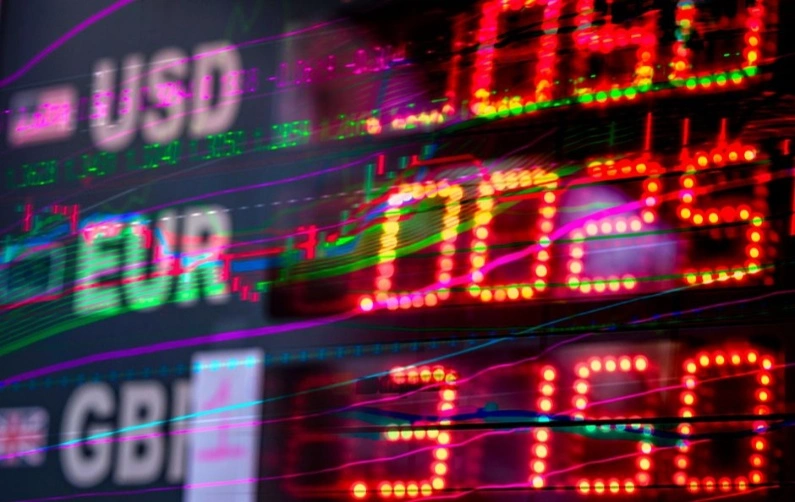
Fears over AI market slow impact global tech stocks
Section: Business
The ongoing debate surrounding the potential acquisition of Commerzbank by Italian banking group Unicredit has drawn significant attention across Europe. Recently, the European Central Bank's outgoing Vice President expressed concerns regarding the German government's opposition to the proposed takeover, highlighting the broader implications for European financial integration.
Commerzbank, one of Germany's leading financial institutions, is currently facing a takeover bid from Unicredit, which aims to increase its stake to over 30 percent. The German bank has resisted the approach, emphasizing its intention to remain independent. This resistance has been backed by the German government, which holds approximately 12 percent of Commerzbank's shares as a legacy of the financial crisis bailout.
The German government has described Unicredit's bid as inappropriate and unfair, signaling its commitment to supporting Commerzbank's autonomy. This stance has sparked criticism from European financial regulators, who argue that such national interventions undermine the credibility and effectiveness of the European Union's efforts to create a unified savings and investment market.
According to the European Central Bank, fragmented national financial markets within the EU hinder the development of cross-border banking groups that could compete on a global scale. The goal of the EU's savings and investment union is to deepen and unify capital markets, thus allowing companies to access better financing options and attracting more investors to European markets. Resistance to cross-border mergers and acquisitions, as observed in the Commerzbank case, is seen as an obstacle to this strategy.
Regulators have noted that European capital markets remain divided when compared to those in the United States, limiting the potential for growth and competition. They argue that fostering cross-border banking consolidations would result in stronger, more diversified financial institutions capable of competing internationally, improving valuations, and reducing financing costs for European businesses.
Despite the German government's objections, European authorities maintain that the review process for major bank share acquisitions, such as Unicredit's offer, is stringent. The European Central Bank's supervisory mechanism assesses whether potential investors are suitable and able to maintain the stability of the financial system. This process is designed to protect the interests of stakeholders and ensure compliance with European regulations.
The debate highlights differing perspectives on national economic interests versus the long-term goals of European financial integration. While some governments may wish to protect domestic banks from foreign takeovers, European regulators emphasize the importance of a unified market to support growth and competitiveness. The outcome of the Commerzbank case could set an important precedent for future cross-border consolidations within the EU's banking sector.
As the leadership at the European Central Bank transitions to a new vice president, the institution continues to advocate for policies that encourage cross-border mergers and minimize national barriers. The situation underscores the ongoing challenges in balancing national priorities with broader European objectives in the financial sector.
Section: Business

Section: Politics

Section: Travel
Section: News
Section: Science

Section: Health
Section: Business

Section: Fashion

Section: Science

Section: Business
Both private Health Insurance in Germany and public insurance, is often complicated to navigate, not to mention expensive. As an expat, you are required to navigate this landscape within weeks of arriving, so check our FAQ on PKV. For our guide on resources and access to agents who can give you a competitive quote, try our PKV Calculator.
Germany is famous for its medical expertise and extensive number of hospitals and clinics. See this comprehensive directory of hospitals and clinics across the country, complete with links to their websites, addresses, contact info, and specializations/services.
Didn't manage to get a ticket for Linkin Park? Or still not enough after the concert? Join us at CRASH on June 12th for our "IN THE END" Linkin Park Special + CORE NIGHT.All night long, we'll be playing Linkin Park's music, along with Nu Metal, Metalcore, and Alternative Rock from bands such as Limp...



No comments yet. Be the first to comment!