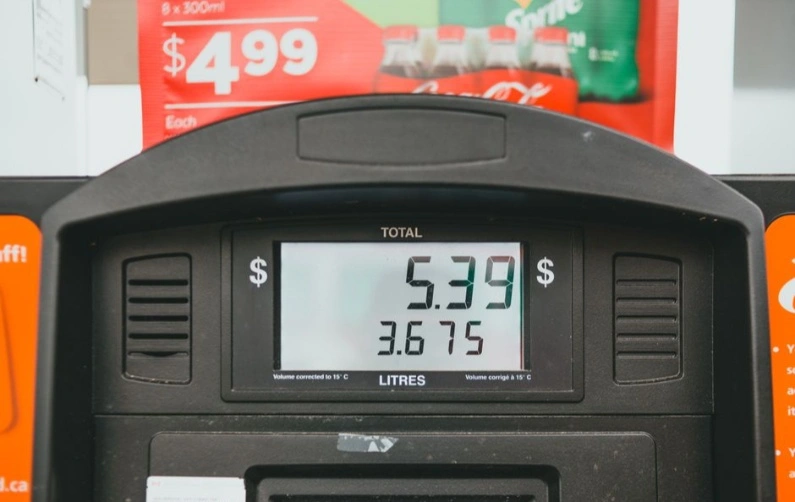
G7 nations agree to release oil reserves amid high fuel prices
Section: News
The Hanseatic Higher Regional Court in Hamburg has issued a significant ruling regarding the conduct of passenger compensation portals in their dealings with airlines, specifically addressing the practices of Flightright, a well-known platform for enforcing air passenger rights. The court determined that Flightright must refrain from making disparaging statements about Ryanair and from advising customers to avoid all communication with the airline, setting new boundaries for how such portals interact with both consumers and airlines.
The dispute centered on Flightright's public claims about Ryanair's approach to passenger rights and its guidance to clients to ignore attempts by the airline to resolve compensation claims directly. In response to Ryanair's complaint, the court found these actions to be misleading and potentially damaging to the airline's reputation. The judgment prohibits Flightright from characterizing Ryanair as disregarding consumer rights and from instructing customers to bypass the airline in the claims process. Non-compliance may result in a substantial fine for the portal, with penalties reaching up to 250,000 euros for each violation.
Additionally, the court scrutinized the transparency of fees charged by such compensation platforms. Flightright and similar services typically collect a portion of the compensation awarded to travelers in return for pursuing claims on their behalf, particularly in cases of long flight delays or cancellations. The court mandated that Flightright must clearly disclose any additional legal surcharges, such as an extra 14 percent legal fee, from the outset. This measure aims to ensure that consumers are fully informed about the costs associated with using these services before engaging them.
Under European Union air passenger rights regulations, travelers are entitled to compensation in cases of significant delays or cancellations, with payments ranging from 250 euros for short flights to as much as 600 euros for longer routes delayed by three hours or more. However, Ryanair highlighted in its statements that some compensation portals deduct up to 40 percent in commissions from these awards, which can significantly reduce the amount passengers actually receive.
In light of the court's decision, Ryanair has encouraged affected travelers to submit compensation claims directly through its official channels, arguing that this approach ensures passengers receive the full amount they are entitled to without incurring unnecessary fees. The airline maintains that processing claims internally provides a more efficient and cost-effective solution for customers.
For passengers seeking alternatives to direct dealings with airlines or commercial compensation portals, there is also the option of utilizing the services offered by the German conciliation body for travel and transport. This independent agency provides free dispute resolution between travelers and service providers, reportedly achieving settlements in the vast majority of cases. This route is available to those who wish to avoid both direct negotiations with airlines and the fees charged by third-party portals.
The court's ruling is expected to have broader implications for the growing industry of passenger rights enforcement platforms. The decision reinforces the importance of balanced communication and fee transparency, while also underlining the need for consumers to make informed decisions when seeking compensation for travel disruptions. The outcome may prompt similar services to review their marketing practices and customer guidance to ensure compliance with legal standards and to avoid regulatory penalties.
This development comes amid ongoing debates over airline passenger rights and the role of third-party platforms in facilitating compensation claims. As travelers continue to seek efficient solutions for delayed or cancelled flights, the legal framework governing such services is likely to evolve in response to court decisions and regulatory scrutiny.
Section: News
Section: Politics
Section: News

Section: Fashion

Section: Fashion
Section: Arts
Section: Business
Section: Business

Section: News
Section: Arts
Both private Health Insurance in Germany and public insurance, is often complicated to navigate, not to mention expensive. As an expat, you are required to navigate this landscape within weeks of arriving, so check our FAQ on PKV. For our guide on resources and access to agents who can give you a competitive quote, try our PKV Calculator.
Germany is famous for its medical expertise and extensive number of hospitals and clinics. See this comprehensive directory of hospitals and clinics across the country, complete with links to their websites, addresses, contact info, and specializations/services.
Didn't manage to get a ticket for Linkin Park? Or still not enough after the concert? Join us at CRASH on June 12th for our "IN THE END" Linkin Park Special + CORE NIGHT.All night long, we'll be playing Linkin Park's music, along with Nu Metal, Metalcore, and Alternative Rock from bands such as Limp...



No comments yet. Be the first to comment!