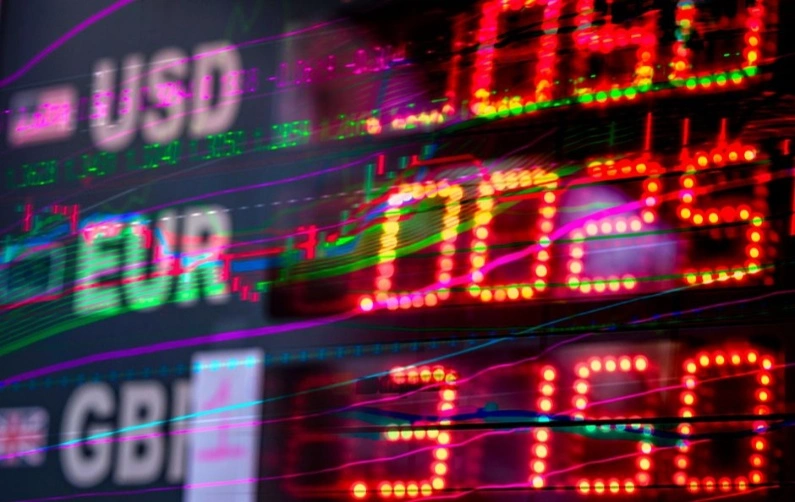
Fears over AI market slow impact global tech stocks
Section: Business
At the start of the new year, households and motorists across Germany will encounter higher costs for heating and fuel, driven by an increase in the national carbon dioxide (CO2) price. This adjustment forms a critical part of the country's ongoing strategy to reduce greenhouse gas emissions and encourage more sustainable energy consumption, affecting both individual consumers and large-scale suppliers of fossil fuels.
The CO2 pricing mechanism, which has been in effect for several years, requires businesses that supply fuels such as natural gas, heating oil, petrol, and diesel to purchase emissions certificates. These certificates correspond to the amount of CO2 produced when these fuels are used. While the price for these certificates was previously set by legislation, the latest change introduces a pricing corridor ranging from 55 to 65 euros per tonne of CO2. This means that the market will determine the actual price within this range, based on supply and demand dynamics in the emissions trading system.
For consumers, this policy shift translates into noticeable increases in everyday expenses. Estimates indicate that petrol prices could rise by nearly three cents per litre, while diesel is expected to become slightly less expensive but will still see an increase of just under three cents per litre. Heating oil users may also face higher costs, with projections suggesting an additional three cents per litre. For those relying on natural gas to heat their homes, the added burden is estimated at approximately 0.3 cents more per kilowatt-hour.
The rationale behind raising the CO2 price is to create a financial incentive for both industry and individuals to reduce their reliance on fossil fuels. By making carbon-intensive activities more expensive, the policy aims to accelerate the shift towards cleaner energy sources and more energy-efficient technologies. Over time, the number of available emission certificates will be gradually reduced, which is expected to further drive up the cost of emitting CO2 and intensify the push for climate-friendly alternatives.
Major fuel suppliers, including importers and wholesalers, are required to participate in the emissions trading system by acquiring certificates in proportion to the volume of fossil fuels they sell. These added costs are typically passed on to end consumers, contributing to the anticipated price increases at fuel stations and for home heating bills.
Consumer organizations have expressed concerns that the CO2 price may settle at the upper end of the new corridor. This scenario could result in even steeper increases in household heating expenses, particularly for those using oil-based systems. The policy is designed, however, to ensure that the transition towards lower emissions remains efficient and that market forces play a significant role in determining the final cost of CO2 emissions.
While the primary objective remains environmental protection and the fulfillment of national and European climate targets, the adjustment is set to have a direct impact on cost-of-living expenses for many households. Policymakers and consumer advocates are monitoring the effects closely, with discussions ongoing regarding potential support measures for low-income households and strategies to cushion the financial impact on vulnerable groups.
As Germany continues its commitment to ambitious climate goals, the evolving CO2 pricing framework underscores the nation's determination to encourage sustainable energy use and reduce overall carbon emissions. The coming months will reveal how these changes affect consumer behavior, market prices, and progress towards a greener future.
Section: Business
Section: Politics

Section: Travel
Section: News
Section: Science

Section: Health
Section: Business

Section: Fashion

Section: Science

Section: Business
Both private Health Insurance in Germany and public insurance, is often complicated to navigate, not to mention expensive. As an expat, you are required to navigate this landscape within weeks of arriving, so check our FAQ on PKV. For our guide on resources and access to agents who can give you a competitive quote, try our PKV Calculator.
Germany is famous for its medical expertise and extensive number of hospitals and clinics. See this comprehensive directory of hospitals and clinics across the country, complete with links to their websites, addresses, contact info, and specializations/services.
Didn't manage to get a ticket for Linkin Park? Or still not enough after the concert? Join us at CRASH on June 12th for our "IN THE END" Linkin Park Special + CORE NIGHT.All night long, we'll be playing Linkin Park's music, along with Nu Metal, Metalcore, and Alternative Rock from bands such as Limp...

No comments yet. Be the first to comment!