
Zelensky urges US to enforce limited ceasefire
Section: Politics
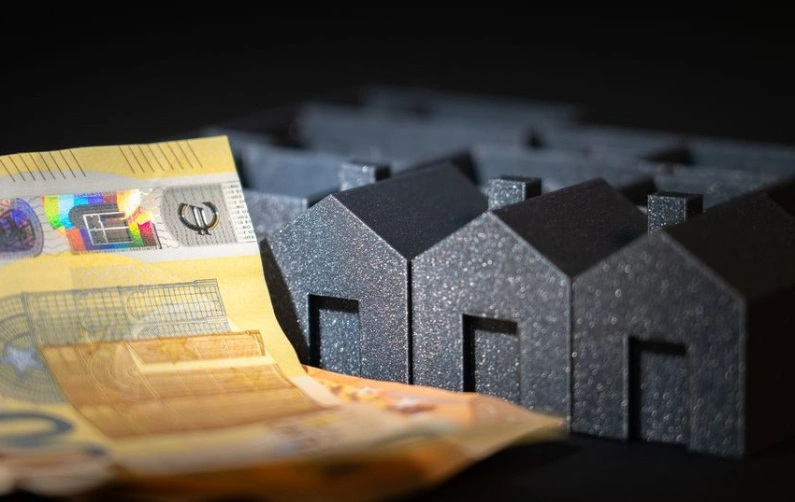
The housing market in Berlin is posing significant challenges for middle-income earners seeking accommodation, a trend exacerbated by the city's rapid population growth and limited affordable options. Wealthier residents can find options in the free market, while those with lower incomes may be eligible for social housing. However, households with average earnings, even those with dual incomes, face increasingly limited prospects.
Political change seems unlikely to bring immediate relief, with experts indicating that conditions may deteriorate before they improve. Following the recent Berlin elections, there is little expectation of quick enhancements in housing availability. The city's popularity has waned over the past two decades, according to a survey, with 46% of participants across Germany expressing reluctance to live in the capital.
Despite this, Berlin continues to experience significant population growth, reaching 3.9 million residents recently, up from 3.77 million just five years ago. The influx contributes to the housing crunch, as the demand far outstrips the insufficient supply of available homes. Some parts of the city are described as unappealing, yet its growth persists, unaffected by closures of clubs and other social venues or the presence of homeless populations in public areas.
The lifestyle once associated with Berlin, characterized by vibrant nightlife, has shifted dramatically. Where time was once spent waiting to enter clubs, now it’s often spent in queues for apartment viewings. Residents, increasingly overwhelmed by work and the housing search, report substantial disruptions to their daily lives, including taking time off work for weekday viewings.
The competitive environment sees potential renters facing formidable challenges, often competing against applicants with higher incomes and fewer personal obligations or perceived liabilities. Instances of job security and surnames suggestively influencing rental possibilities have also been noted. The stress and anxiety from prolonged searches have exacerbated mental health issues, with psychological conditions now topping the list of reasons for workplace absenteeism in Germany.
Surveys show that 43% of the population considers the housing market to be Berlin’s most pressing issue. This viewpoint is underscored by the fact that even well-earning families face hardship when attempting to find suitable housing. The resulting financial insecurity contributes to the broader mental health crisis in the region.
The current ruling coalition in Berlin, led by the Christian Democratic Union (CDU), faces scrutiny amid these challenges. Polls preceding the recent election suggested potential gains for the left, which had been dubbed "extreme" and "radicalized" by opposition members. Such political shifts underscore the intense dissatisfaction among voters, driven by an acute need for housing solutions.
The urgency of the situation raises calls for detailed government intervention to improve housing availability. As citizens continue to express their frustration with the direction of local policies, the issues surrounding Berlin’s housing market remain at the forefront of political and social discourse.
Source: n-tv.de
Section: Politics
Section: News
Section: Science

Section: Health
Section: Business

Section: Fashion

Section: Science

Section: Business

Section: Health
Section: Business
Both private Health Insurance in Germany and public insurance, is often complicated to navigate, not to mention expensive. As an expat, you are required to navigate this landscape within weeks of arriving, so check our FAQ on PKV. For our guide on resources and access to agents who can give you a competitive quote, try our PKV Calculator.
Germany is famous for its medical expertise and extensive number of hospitals and clinics. See this comprehensive directory of hospitals and clinics across the country, complete with links to their websites, addresses, contact info, and specializations/services.
Didn't manage to get a ticket for Linkin Park? Or still not enough after the concert? Join us at CRASH on June 12th for our "IN THE END" Linkin Park Special + CORE NIGHT.All night long, we'll be playing Linkin Park's music, along with Nu Metal, Metalcore, and Alternative Rock from bands such as Limp...



No comments yet. Be the first to comment!