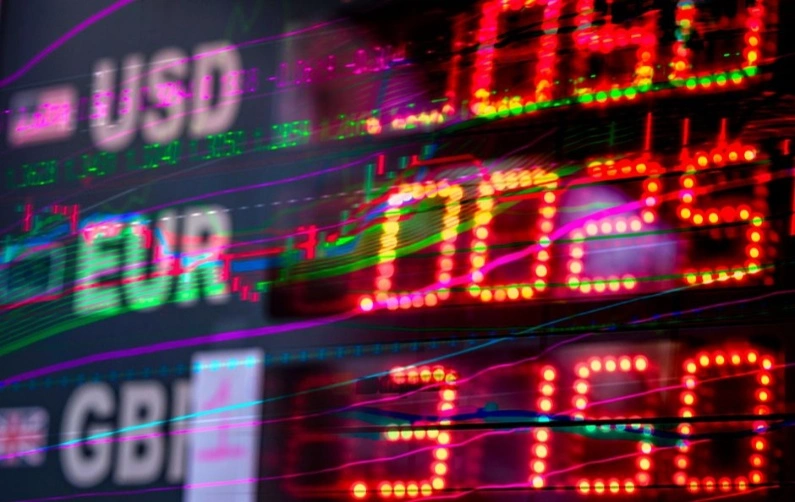
Fears over AI market slow impact global tech stocks
Section: Business
Computer hardware enthusiasts and self-build PC users are facing the prospect of further price hikes for memory modules and solid-state drives (SSDs) throughout the remainder of the year. Industry observations suggest that both DRAM and SSD prices are likely to remain elevated, impacting consumers and manufacturers alike.
Rising Costs for Memory ComponentsRecent reports indicate a sustained upward trend in the pricing of DRAM modules and SSDs. This development is affecting a broad spectrum of users, particularly those engaged in building or upgrading personal computers. The price increases are attributed to a combination of factors, including ongoing supply chain disruptions, strong global demand, and limited manufacturing capacity. Market analysts point out that price adjustments observed at the retail level often lag behind changes in wholesale supply by several months. As a result, consumers may continue to see higher prices for some time, even after conditions begin to stabilize at the manufacturing level.
Impact on PC ManufacturersCompanies involved in hardware production have also felt the effects of these rising component costs. According to industry sources, manufacturers are having to adjust their output in response to the limited availability and increased expense of memory modules. The constraints on supply have led some firms to maximize production with whatever components they are able to procure, potentially limiting the range and quantity of devices available on the market. This situation is particularly notable for manufacturers competing directly with self-assembled PCs, where competitive pricing and component flexibility are critical.
Current Retail Pricing TrendsAt present, certain DDR5 memory kits with a total capacity of 32GB remain sporadically available for less than 350 euros, though such offers are becoming increasingly rare. Customers seeking higher performance, such as faster memory speeds above the base 2400 MHz (DDR5-4800), must often pay a premium. For example, DDR5-6000 32GB kits from reputable vendors typically start at around 420 euros. SSDs have also experienced significant price increases. One-terabyte M.2 form factor drives, which were available for less than 50 euros a year ago, are now approaching the 150 euro mark. These increases represent a substantial escalation in cost for users looking to upgrade or expand their systems.
Market Projections and Industry OutlookIndustry experts suggest that the current price surge could persist for several years. Some forecasts indicate that relief may not arrive until 2028 or beyond, depending on how quickly manufacturers can expand production and address ongoing supply chain challenges. The market is expected to eventually self-regulate, with prices either declining as supply improves or stabilizing at a new, higher baseline if shortages persist. Both hardware producers and analysts agree that the situation remains fluid, with future developments hinging on global economic factors, technological advancements, and shifts in consumer demand.
Advice for ConsumersGiven these circumstances, consumers are advised to monitor market trends closely and weigh the timing of their purchases. Some may choose to acquire components now to avoid further increases, while others may opt to wait in hopes of eventual price reductions. The ongoing memory and storage component shortage is a reminder of the volatility inherent in global supply chains and the importance of strategic planning for both consumers and manufacturers.
Section: Business
Section: Politics
Section: Travel
Section: News
Section: Science

Section: Health
Section: Business
Section: Fashion

Section: Science

Section: Business
Both private Health Insurance in Germany and public insurance, is often complicated to navigate, not to mention expensive. As an expat, you are required to navigate this landscape within weeks of arriving, so check our FAQ on PKV. For our guide on resources and access to agents who can give you a competitive quote, try our PKV Calculator.
Germany is famous for its medical expertise and extensive number of hospitals and clinics. See this comprehensive directory of hospitals and clinics across the country, complete with links to their websites, addresses, contact info, and specializations/services.
Didn't manage to get a ticket for Linkin Park? Or still not enough after the concert? Join us at CRASH on June 12th for our "IN THE END" Linkin Park Special + CORE NIGHT.All night long, we'll be playing Linkin Park's music, along with Nu Metal, Metalcore, and Alternative Rock from bands such as Limp...



No comments yet. Be the first to comment!