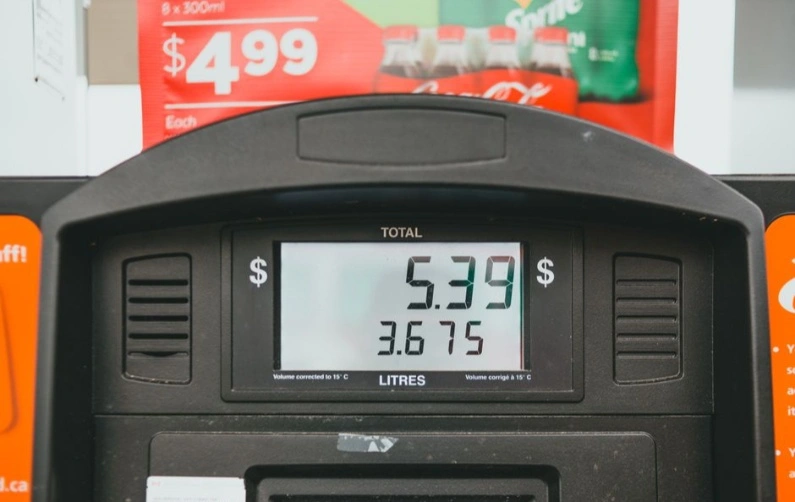
G7 nations agree to release oil reserves amid high fuel prices
Section: News
As deliberations continue regarding a possible resolution to the ongoing conflict in Ukraine, the country's leadership is confronted with shrinking options. The situation is further complicated by growing external pressures, notably from the United States, and a cautious approach from European nations, which together appear to bolster Russia's negotiating position.
Recent reports highlight that Ukraine's government is under mounting strain as the conflict endures. Diplomatic sources indicate that a new proposal--outlined in a 28-point peace plan reportedly developed through discussions involving international intermediaries--has surfaced at a particularly challenging time for Kyiv. The timing and substance of these negotiations place Ukraine in a challenging bargaining position.
With the war now in its prolonged stages, Ukrainian officials are facing significant obstacles in maintaining both internal unity and international support. The country's military and civilian infrastructure have been severely tested by continuing hostilities, and the sustainability of external aid remains a key factor in Ukraine's ability to defend its interests at the negotiation table.
International actors, particularly the United States, have signaled an increasing urgency for a diplomatic settlement. This development is partly driven by concerns over the protracted nature of the conflict and its global repercussions, including energy security, food supply challenges, and broader geopolitical stability. Meanwhile, European countries have displayed a degree of hesitation, contributing to a sense that Kyiv may be compelled to enter talks from a position of relative weakness.
The new peace plan, believed to have been shaped through confidential discussions between designated envoys, outlines steps toward a potential cessation of hostilities. However, the plan's specifics remain closely guarded, and Ukrainian officials must weigh the risk of making concessions that could affect the country's sovereignty and long-term security. Russia, for its part, appears to benefit from the growing diplomatic pressure on Ukraine, as well as divisions within the alliance supporting Kyiv.
In this context, President Volodymyr Zelensky faces difficult choices. The options range from pursuing continued military resistance, with the attendant risks and costs, to engaging in negotiations that may require difficult compromises. The decision-making process is influenced not only by the military situation on the ground but also by the complex interplay of international diplomacy and domestic expectations.
Observers note that the balance of power at the negotiation table is dynamic and can shift rapidly based on developments both within Ukraine and abroad. Continued international support--especially in terms of military, financial, and humanitarian aid--will play a pivotal role in shaping Ukraine's leverage during peace talks. Conversely, any reduction in this support may further limit Ukraine's ability to advocate for its interests.
As discussions proceed, the international community will closely monitor the evolving situation, mindful of the broader implications for regional security and the established international order. The outcome of these negotiations will not only determine the immediate future for Ukraine but could also set important precedents for conflict resolution and diplomatic engagement in similar crises elsewhere.
Section: News
Section: Politics
Section: News

Section: Fashion

Section: Fashion

Section: Arts
Section: Business

Section: Business

Section: News

Section: Arts
Both private Health Insurance in Germany and public insurance, is often complicated to navigate, not to mention expensive. As an expat, you are required to navigate this landscape within weeks of arriving, so check our FAQ on PKV. For our guide on resources and access to agents who can give you a competitive quote, try our PKV Calculator.
Germany is famous for its medical expertise and extensive number of hospitals and clinics. See this comprehensive directory of hospitals and clinics across the country, complete with links to their websites, addresses, contact info, and specializations/services.
Didn't manage to get a ticket for Linkin Park? Or still not enough after the concert? Join us at CRASH on June 12th for our "IN THE END" Linkin Park Special + CORE NIGHT.All night long, we'll be playing Linkin Park's music, along with Nu Metal, Metalcore, and Alternative Rock from bands such as Limp...



No comments yet. Be the first to comment!