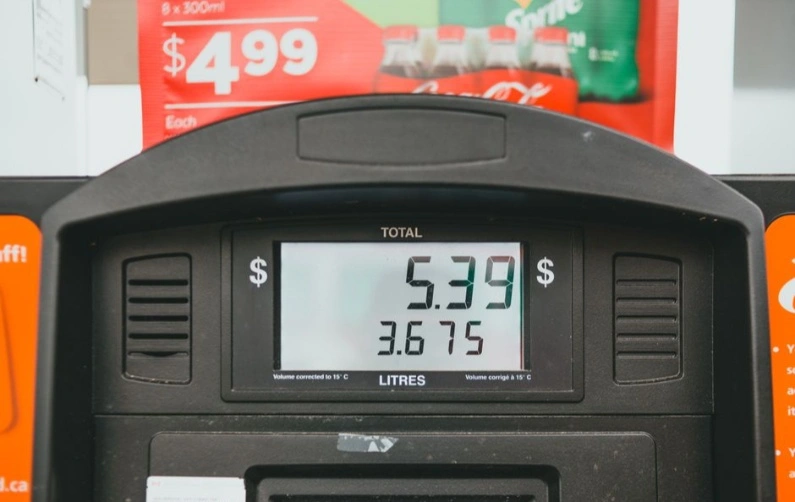
G7 nations agree to release oil reserves amid high fuel prices
Section: News
The escalating conflict between the United States, Israel, and Iran has resulted in significant disruptions to global oil transport. Following a military operation by the US and Israel targeting Iran, Iranian authorities responded by blocking the Strait of Hormuz, a critical passageway through which approximately one-fifth of the world's oil shipments previously transited each day.
This obstruction led to immediate volatility in global oil markets, with prices increasing as a direct consequence of the restricted supply. The situation has created considerable concern among countries reliant on stable energy imports and has drawn close attention from international leaders.
In response to the ongoing blockade, the President of the United States, Donald Trump, addressed the issue during an interview with a national television network. He called on commercial vessels currently detained in the area to proceed through the Strait, asserting that there was no longer a threat from Iranian maritime forces. The US military had earlier claimed significant strikes against Iranian naval assets, suggesting a reduced risk for ships attempting passage. However, no independent verification of these claims was available at the time, raising questions about the accuracy of the information and the actual security situation in the region.
The recent hostilities have contributed to a hazardous environment for maritime operations in the Persian Gulf, Strait of Hormuz, and Gulf of Oman. Multiple vessels sustained damage due to projectiles in the days following the outbreak of conflict. The threat to shipping is compounded by the presence of land-based drones and missile systems, further complicating safe navigation for commercial and energy transport vessels.
President Trump further emphasized a strong stance against Iran on social media, warning that any renewed attempts to disrupt oil shipments through Hormuz would result in a significantly escalated response from the United States. He indicated the possibility of even more severe actions should Iranian forces continue to interfere with maritime traffic in the region.
Amid these tensions, discussions have emerged regarding potential US measures to secure the Strait of Hormuz and ensure the continued flow of oil exports. Reports indicated that President Trump was considering options to assume control over the strategic waterway, though specific plans were not disclosed.
International financial markets responded to these developments, with the Dow Jones Index rising and the price of Brent crude oil declining slightly after initial spikes. Despite these adjustments, both indices remained highly volatile compared to pre-conflict levels, underscoring the uncertainty surrounding the situation and its ongoing impact on global energy security.
As diplomatic and military efforts continue, the international community remains focused on the resolution of the Hormuz blockade and the stabilization of global oil markets. Ongoing monitoring and verification of security conditions in the region are essential to safeguard maritime operations and restore confidence among shipping companies and oil-importing nations.
Section: News
Section: Politics
Section: News

Section: Fashion

Section: Fashion
Section: Arts
Section: Business
Section: Business

Section: News

Section: Arts
Both private Health Insurance in Germany and public insurance, is often complicated to navigate, not to mention expensive. As an expat, you are required to navigate this landscape within weeks of arriving, so check our FAQ on PKV. For our guide on resources and access to agents who can give you a competitive quote, try our PKV Calculator.
Germany is famous for its medical expertise and extensive number of hospitals and clinics. See this comprehensive directory of hospitals and clinics across the country, complete with links to their websites, addresses, contact info, and specializations/services.
Didn't manage to get a ticket for Linkin Park? Or still not enough after the concert? Join us at CRASH on June 12th for our "IN THE END" Linkin Park Special + CORE NIGHT.All night long, we'll be playing Linkin Park's music, along with Nu Metal, Metalcore, and Alternative Rock from bands such as Limp...


No comments yet. Be the first to comment!