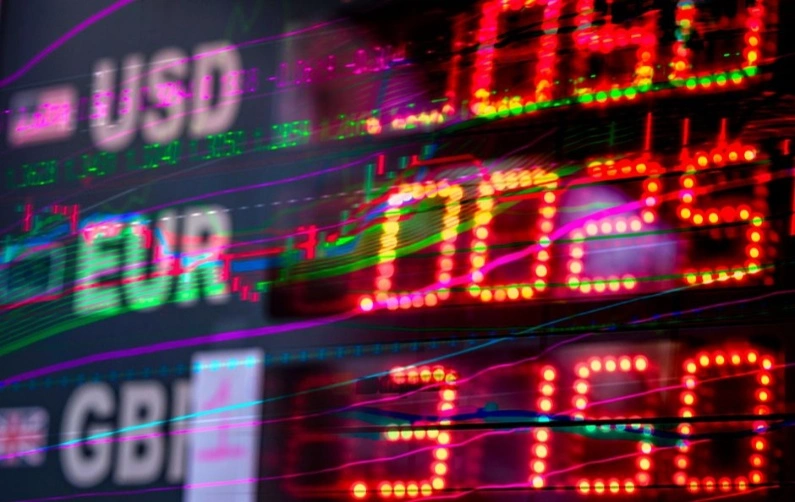
Fears over AI market slow impact global tech stocks
Section: Business
As energy prices in Germany reach unprecedented levels, a political debate has intensified over the government's response to the crisis. The Social Democratic Party (SPD) has raised concerns about the government's approach to alleviating the financial burden on citizens, specifically addressing the measures proposed by the current Economic Affairs Ministry.
The recent spike in fuel and energy costs has placed significant pressure on households and businesses across the country. According to the SPD, the current strategies in place are insufficient to address the immediate needs of the population. The party has pointed out that the Ministry for Economic Affairs, led by Katherina Reiche from the Christian Democratic Union (CDU), has not taken adequate action to mitigate the impact of these rising costs on consumers.
One of the key issues highlighted is the potential for further instability in global energy markets, especially considering the geopolitical situation in the Middle East. The SPD has emphasized the need for urgent action should the situation deteriorate further, warning that any escalation could have direct and severe consequences for Germany's energy supply and prices.
In the ongoing debate, the SPD has suggested that more immediate relief measures should be considered. The party argues that the government's proposed increase in commuter tax allowances, a solution favored by the CDU, would not provide timely support for most citizens. This relief would only become noticeable for taxpayers several years after the current crisis, as it is tied to the annual tax returns processed in the future.
Instead, the SPD is advocating for the implementation of a cap on fuel prices to deliver rapid and tangible relief to consumers. Additionally, the party has proposed the introduction of a windfall tax on excessive profits earned by energy companies during periods of extraordinary market volatility. Proceeds from such a tax could then be used to finance direct relief measures for the population, ensuring that those most affected by rising costs receive timely support.
The ongoing internal government discussions have highlighted divisions between coalition partners regarding how best to respond to the energy crisis. While the CDU's approach focuses on long-term fiscal adjustments, the SPD stresses the importance of immediate solutions that directly address the acute financial challenges facing households and businesses.
Further complicating the issue is the broader European context, where several member states are also grappling with high energy prices and exploring various policy responses. The debate in Germany reflects a wider search for effective strategies to protect consumers while maintaining market stability and energy security.
As the situation evolves, the German government is under increasing pressure to present a comprehensive package of relief measures that balance short-term assistance with long-term sustainability. The SPD's calls for a more active approach underscore the urgency felt by many citizens and stakeholders affected by the ongoing energy price surge.
Industry experts continue to monitor both domestic and international developments closely, as any further disruptions in global energy supply chains could exacerbate the current challenges. Policymakers are expected to announce additional proposals and potentially revise existing measures in the coming weeks to better address the needs of the population and the economy.
Section: Business

Section: Politics

Section: Travel
Section: News

Section: Science

Section: Health
Section: Business
Section: Fashion

Section: Science

Section: Business
Both private Health Insurance in Germany and public insurance, is often complicated to navigate, not to mention expensive. As an expat, you are required to navigate this landscape within weeks of arriving, so check our FAQ on PKV. For our guide on resources and access to agents who can give you a competitive quote, try our PKV Calculator.
Germany is famous for its medical expertise and extensive number of hospitals and clinics. See this comprehensive directory of hospitals and clinics across the country, complete with links to their websites, addresses, contact info, and specializations/services.
Didn't manage to get a ticket for Linkin Park? Or still not enough after the concert? Join us at CRASH on June 12th for our "IN THE END" Linkin Park Special + CORE NIGHT.All night long, we'll be playing Linkin Park's music, along with Nu Metal, Metalcore, and Alternative Rock from bands such as Limp...



No comments yet. Be the first to comment!