
Fears over AI market slow impact global tech stocks
Section: Business
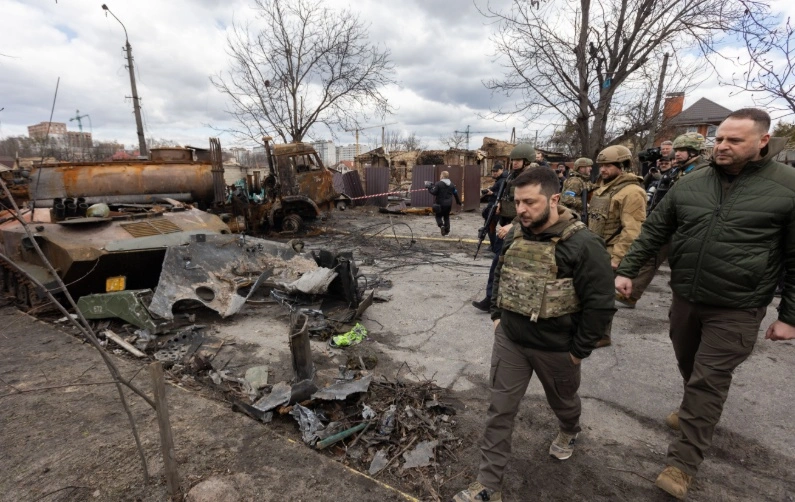
Recent assessments indicate that Russia has suffered more than one million casualties, including over 300,000 fatalities, since the onset of the conflict in Ukraine. With an estimated 1,000 Russian soldiers killed or wounded daily, the scale of losses has reached levels not experienced by a major power since the end of World War II.
The Russian military has relied on a strategy of deploying large numbers of troops to the front lines in an effort to overcome Ukrainian defenses through sheer numerical strength. Despite these considerable sacrifices, Russian advances, particularly in regions such as Donbass, have been incremental and limited. After four years of fighting, full control over contested territories remains unattained.
Military analysts point out that the Russian leadership continues to mobilize additional personnel to offset these losses. The strategy now involves increased recruitment efforts and the use of remaining military stockpiles to conduct attacks on Ukrainian cities and critical infrastructure, such as energy facilities. These tactics appear aimed at applying pressure on Ukraine by targeting essential services, in hopes of weakening national resolve.
Despite state-driven narratives projecting confidence, the ongoing conflict has exposed significant vulnerabilities within Russia's military and logistical capabilities. The extensive human and material losses have placed mounting strains on Russia's resources. Observers note that the government is offering higher financial incentives to new recruits and their families as a means to sustain force levels. However, there is growing speculation that such efforts may face diminishing returns as the war continues.
The impact of the conflict is also being felt within Russian society, particularly among younger generations, as the scale of casualties becomes more widely recognized. Experts suggest that persistent losses and the visible toll on communities could eventually fuel domestic unrest, even as authorities attempt to manage public perception through continuous propaganda.
Financial pressures have also intensified, with Russia's economic resources being depleted by the ongoing war effort. The cumulative effects of sanctions and military expenditures are contributing to budgetary constraints, raising questions about the long-term sustainability of current operations.
Amid these challenges, there have been indications that Russia may be open to direct negotiations with Ukraine. While official objectives have not shifted, the willingness to engage in dialogue could reflect a recognition of the obstacles facing Russian ambitions. The future trajectory of the conflict remains uncertain, but the enduring losses and resource constraints are likely to influence the strategic calculations of Russian authorities moving forward.
Section: Business
Section: Politics

Section: Travel

Section: News

Section: Science

Section: Health

Section: Business

Section: Fashion

Section: Science

Section: Business
Both private Health Insurance in Germany and public insurance, is often complicated to navigate, not to mention expensive. As an expat, you are required to navigate this landscape within weeks of arriving, so check our FAQ on PKV. For our guide on resources and access to agents who can give you a competitive quote, try our PKV Calculator.
Germany is famous for its medical expertise and extensive number of hospitals and clinics. See this comprehensive directory of hospitals and clinics across the country, complete with links to their websites, addresses, contact info, and specializations/services.
Didn't manage to get a ticket for Linkin Park? Or still not enough after the concert? Join us at CRASH on June 12th for our "IN THE END" Linkin Park Special + CORE NIGHT.All night long, we'll be playing Linkin Park's music, along with Nu Metal, Metalcore, and Alternative Rock from bands such as Limp...



No comments yet. Be the first to comment!