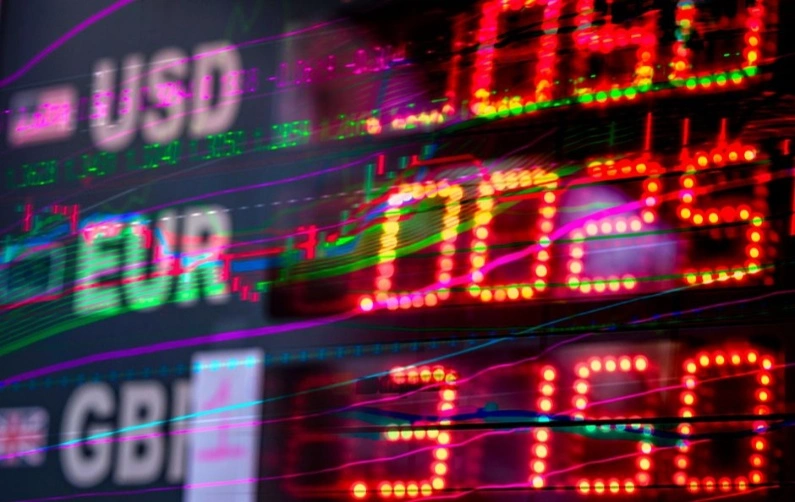
Fears over AI market slow impact global tech stocks
Section: Business
German Chancellor Friedrich Merz has expressed reservations regarding the effectiveness of the recent fuel tax reduction introduced to alleviate rising petrol and diesel prices. Speaking in a televised interview, Merz noted that while the measure had resulted in some price relief at certain filling stations, the reduction was not consistent across the country. Some stations implemented the full 17-cent per litre reduction, while others offered less, reflecting the dynamic nature of the fuel market.
The temporary tax cut, agreed upon by the governing coalition, reduces taxes on petrol and diesel by approximately 16.7 cents per litre. This relief is set to remain in place for two months and is expected to result in government revenue losses of up to 1.6 billion euros. The government introduced the measure in response to escalating energy costs and demands from both employers and trade unions for action to support consumers and businesses.
Despite the initial decrease in fuel prices following the tax reduction, market observers have noted subsequent price increases, raising questions about the sustained impact of the policy. The Chancellor emphasized that the government continues to monitor the situation closely. A dedicated committee within the Ministry for Economic Affairs assesses the fuel market daily and provides regular updates to the federal cabinet. The administration remains in direct contact with industry stakeholders, including oil companies and refineries, to ensure transparency and to address any irregularities.
Addressing concerns about the broader economic implications of the ongoing conflict in Iran, Merz stated that the government is prepared for various scenarios. He assured that should further disruptions arise, the administration would respond promptly and effectively to minimize potential impacts on the German economy.
In the interview, Merz also responded to recent opinion polls indicating low approval ratings for his administration. He acknowledged the government has not fully met its own expectations but highlighted several key achievements, such as reforms to the welfare system and improvements in domestic security. Merz stressed the complexity of steering a large nation like Germany through significant policy changes, likening the process to adjusting the course of a large ship rather than making rapid directional shifts.
Regarding fiscal policy, the Chancellor maintained a cautious stance on increasing taxes for high-income earners. He suggested that discussions should focus on the solidarity surcharge (Soli) instead of raising income taxes at the top end. Merz reiterated his commitment to maintaining government stability, ruling out the possibility of a minority government and expressing his intention to continue working constructively within the coalition to restore public trust.
The full interview marks the one-year anniversary of the current coalition government and Merz's tenure as Chancellor. The government remains focused on addressing economic challenges and navigating the country through a period of uncertainty driven by external conflicts and domestic pressures.
Section: Business
Section: Politics
Section: Travel
Section: News
Section: Science

Section: Health
Section: Business
Section: Fashion

Section: Science

Section: Business
Both private Health Insurance in Germany and public insurance, is often complicated to navigate, not to mention expensive. As an expat, you are required to navigate this landscape within weeks of arriving, so check our FAQ on PKV. For our guide on resources and access to agents who can give you a competitive quote, try our PKV Calculator.
Germany is famous for its medical expertise and extensive number of hospitals and clinics. See this comprehensive directory of hospitals and clinics across the country, complete with links to their websites, addresses, contact info, and specializations/services.
Didn't manage to get a ticket for Linkin Park? Or still not enough after the concert? Join us at CRASH on June 12th for our "IN THE END" Linkin Park Special + CORE NIGHT.All night long, we'll be playing Linkin Park's music, along with Nu Metal, Metalcore, and Alternative Rock from bands such as Limp...


No comments yet. Be the first to comment!