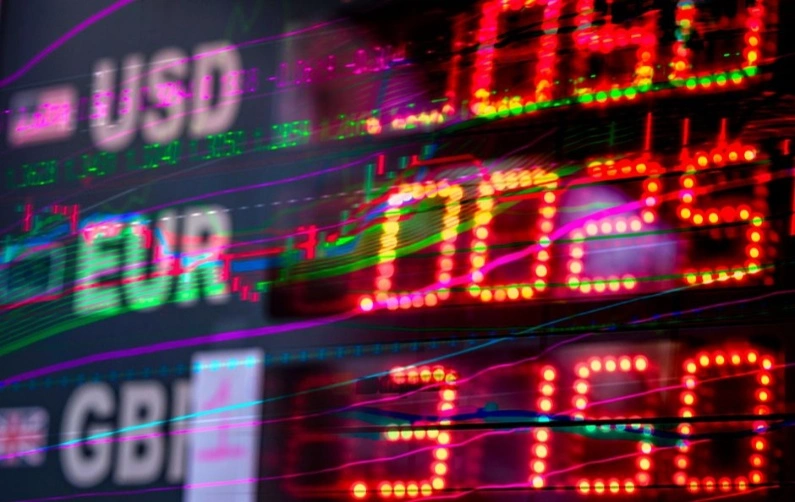
Fears over AI market slow impact global tech stocks
Section: Business
During a recent public forum in Salzwedel, held as part of the Day of Local Journalism, German Chancellor Friedrich Merz addressed mounting concerns regarding the tone and conduct of political debate in Germany. The event, which invited citizens to directly engage with the head of government, brought attention to growing polarization and the shifting standards of discourse within the country's parliamentary landscape.
Chancellor Merz specifically highlighted the conduct of the Alternative for Germany (AfD) party, expressing concern over what he described as a decline in political decorum and respectful interaction among lawmakers. He distinguished the communication style of his own party from that of the AfD, underscoring that despite the AfD's self-identification as a bourgeois and conservative force, its representatives frequently engage in exchanges that he considered contrary to established democratic norms.
Citizens participating in the forum voiced apprehension about an increasingly adversarial atmosphere between political factions, particularly noting a hardening of attitudes and a lack of civility in parliamentary debates and election campaigns. Responding to these concerns, Merz observed that the present level of polarization between opposing political camps is particularly pronounced and has not been witnessed in Germany for many years.
One of the factors contributing to this situation, according to Merz, is the evolving role of digital media in public discourse. He noted that, unlike in previous decades, statements made by politicians now circulate rapidly and remain accessible on social media platforms for extended periods. This persistent digital presence, he suggested, has intensified the spread and permanence of harsh language and personal attacks.
Merz further addressed the challenge posed by online anonymity, arguing that the ability to comment and share opinions without revealing one's identity encourages the use of more extreme and less civil language. He identified a trend of personal attacks against leading political figures, describing the effect as detrimental to the overall climate of public debate.
The chancellor also discussed the complexities of regulating offensive or defamatory remarks on digital platforms. He advocated for more consistent enforcement of existing laws regarding insult and slander in the digital space but acknowledged the difficulties in implementing such measures, particularly given that many online service providers operate outside European jurisdictions and are often reluctant to cooperate with authorities in revealing user identities.
Despite these challenges, Merz emphasized the importance of restoring a culture of respectful political engagement. He called for renewed efforts to listen attentively to differing viewpoints, to consider opposing arguments, and to approach discussions with the openness that one might not possess the sole truth. Merz expressed a commitment to fulfill his office in service to all citizens, regardless of political beliefs, and stated his intention to use public forums to foster a more composed and constructive environment for political dialogue in Germany.
Section: Business

Section: Politics
Section: Travel
Section: News
Section: Science

Section: Health
Section: Business
Section: Fashion

Section: Science

Section: Business
Both private Health Insurance in Germany and public insurance, is often complicated to navigate, not to mention expensive. As an expat, you are required to navigate this landscape within weeks of arriving, so check our FAQ on PKV. For our guide on resources and access to agents who can give you a competitive quote, try our PKV Calculator.
Germany is famous for its medical expertise and extensive number of hospitals and clinics. See this comprehensive directory of hospitals and clinics across the country, complete with links to their websites, addresses, contact info, and specializations/services.
Didn't manage to get a ticket for Linkin Park? Or still not enough after the concert? Join us at CRASH on June 12th for our "IN THE END" Linkin Park Special + CORE NIGHT.All night long, we'll be playing Linkin Park's music, along with Nu Metal, Metalcore, and Alternative Rock from bands such as Limp...



No comments yet. Be the first to comment!