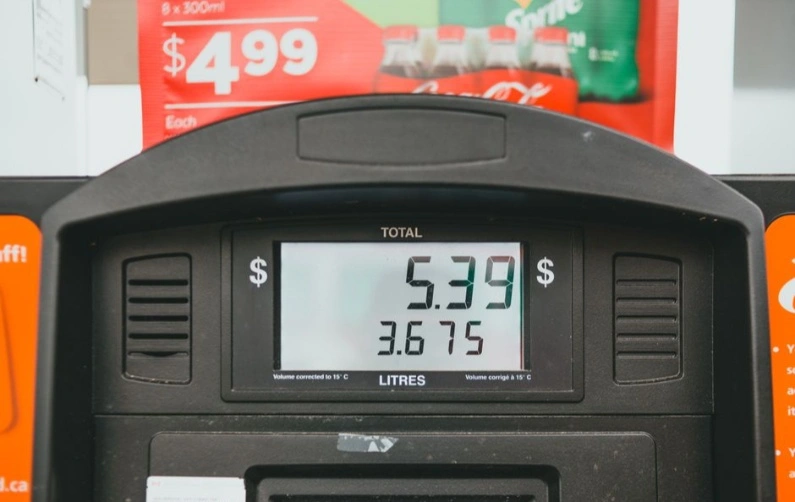
G7 nations agree to release oil reserves amid high fuel prices
Section: News
Emergency response units in both Berlin and Brandenburg have experienced a significant increase in callouts as high temperatures persist across the region. Authorities have reported a continuous flow of emergency dispatches, mainly attributed to the ongoing heatwave affecting large parts of northeastern Germany.
According to the regional emergency coordination center, the frequency of calls has been notably higher than average, with the majority involving individuals suffering from circulatory issues and heat-related health complaints. The rise in incidents has also included an uptick in activations of fire alarms, accidents, and minor fires. In Berlin, emergency services have seen a steady stream of calls similar to levels recorded the previous day. On Friday evening, dispatches were reported to be approximately 300 cases above the usual average for this time of year.
Health emergencies caused by heat have ranged from dizziness and fainting to more severe circulatory complications. Public events, such as sporting activities in the Uckermark region, have reported multiple cases requiring medical attention due to the high temperatures. Emergency teams have been deployed to manage these situations and to ensure the wellbeing of participants and spectators alike.
Rural areas of Brandenburg have also seen a noticeable rise in emergency responses. The Eberswalde dispatch center indicated that, alongside medical emergencies, there have been several incidents involving minor forest fires. Meanwhile, the Lausitz emergency center reported a moderate increase in health-related cases, with many individuals experiencing symptoms such as dizziness and dehydration. Despite these pressures, the Brandenburg central dispatch noted that operations had remained within normal parameters up until the afternoon, with no unusual activity observed.
On the A12 motorway in eastern Brandenburg, emergency personnel provided relief to motorists stranded in traffic jams by distributing water and food to those affected by the prolonged heat exposure. However, apart from this intervention, emergency services in the Oderland region did not observe a broader increase in heat-related incidents at that time.
The German Weather Service issued active heat warnings for Berlin and Brandenburg, urging residents to avoid direct sunlight and strenuous activities during the hottest parts of the day. Authorities have advised the public to stay hydrated, minimize exposure to direct sunlight within living spaces, and ventilate homes only when outdoor temperatures are lower than those indoors.
Emergency services continue to monitor the situation closely, as the heatwave is expected to persist. The public is encouraged to remain vigilant for signs of heat-related illness and to seek prompt assistance if symptoms develop.
Section: News
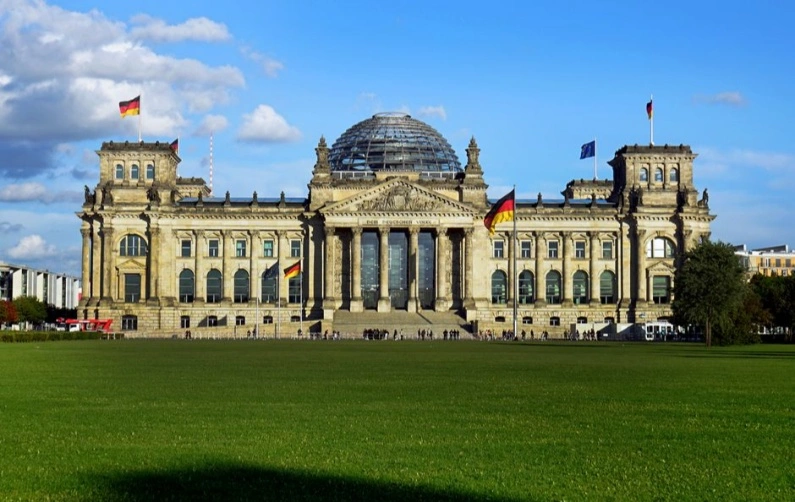
Section: Politics
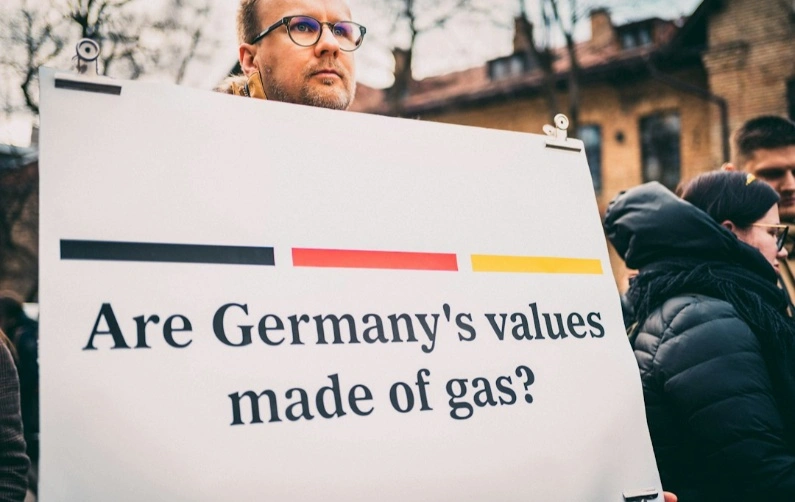
Section: News

Section: Fashion

Section: Fashion
Section: Arts
Section: Business
Section: Business

Section: News

Section: Arts
Both private Health Insurance in Germany and public insurance, is often complicated to navigate, not to mention expensive. As an expat, you are required to navigate this landscape within weeks of arriving, so check our FAQ on PKV. For our guide on resources and access to agents who can give you a competitive quote, try our PKV Calculator.
Germany is famous for its medical expertise and extensive number of hospitals and clinics. See this comprehensive directory of hospitals and clinics across the country, complete with links to their websites, addresses, contact info, and specializations/services.
Didn't manage to get a ticket for Linkin Park? Or still not enough after the concert? Join us at CRASH on June 12th for our "IN THE END" Linkin Park Special + CORE NIGHT.All night long, we'll be playing Linkin Park's music, along with Nu Metal, Metalcore, and Alternative Rock from bands such as Limp...



No comments yet. Be the first to comment!