
Fears over AI market slow impact global tech stocks
Section: Business
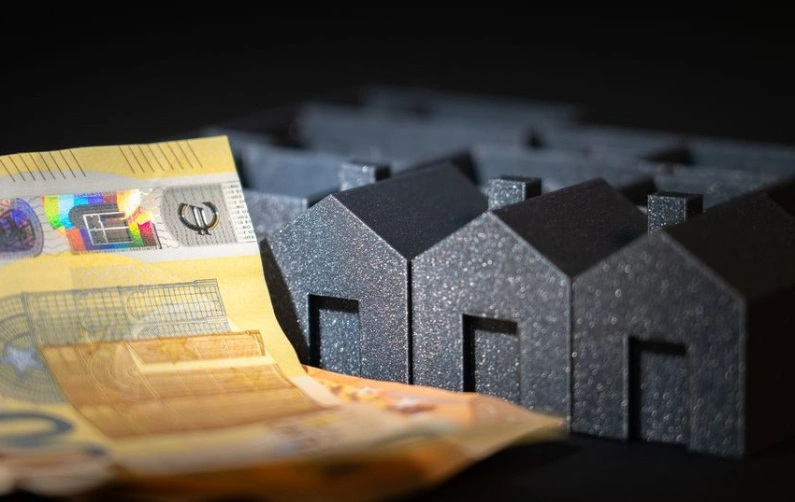
The German government has announced a reduction in financial incentives for the installation of heat pumps, reversing previous assurances that such subsidies would remain intact. This policy shift comes amidst ongoing debates within the governing coalition regarding the future of heating policies and the transition to more environmentally friendly energy sources.
Background on Heat Pump FundingHeat pumps have been central to Germany's strategy for reducing carbon emissions in residential heating. The devices, which draw energy from the environment to heat homes with greater efficiency, have been promoted as an alternative to traditional oil and gas heating systems. To encourage adoption, the government has provided subsidies covering a significant portion of the installation costs, making the technology more accessible to homeowners.
Policy Change and Political ContextDespite repeated statements from coalition leaders that support for heat pump subsidies would not be affected, the latest government decision introduces a cutback in these financial incentives. The move follows internal negotiations over the broader heating law, which has faced criticism and demands for revision from various political factions. Some coalition members, particularly those skeptical of rapid regulatory changes in home heating requirements, had previously insisted on preserving funding for heat pumps as a compromise.
The reduction in support is expected to impact both current homeowners planning upgrades and those considering the installation of heat pumps in new constructions. Details on the exact scale of the subsidy reduction and the timeline for implementation have yet to be fully disclosed. However, the policy adjustment is set to be finalized in the Bundestag within the week, as part of broader legislative changes concerning building energy standards.
Impact on Homeowners and IndustryWith the expected decrease in government contributions, homeowners may face higher out-of-pocket costs for heat pump installations. This could slow the rate of transition towards renewable heating technologies, counteracting previous efforts to accelerate the modernization of Germany's residential heating sector. Industry stakeholders, including manufacturers and installation companies, are closely monitoring the development, anticipating potential declines in demand due to the revised funding model.
Market analysts suggest that the timing of the subsidy reduction is particularly sensitive given current economic conditions and the need to maintain momentum in climate policy. The heat pump industry, which has scaled up production capacities in response to earlier government commitments, may now need to adjust expectations and business strategies.
Political Reactions and Next StepsThe decision has been met with mixed reactions across the political spectrum. Members of opposition parties have criticized the government for inconsistency and for undermining public confidence in energy transition policies. Within the coalition, some lawmakers have expressed disappointment, arguing that the reduction could jeopardize Germany's climate goals and erode support for further reforms in the building sector.
The government has indicated that while the subsidy levels are being adjusted, the overall commitment to advancing renewable heating technologies remains a priority. Officials claim that the revised funding approach aims to better align with budgetary constraints while continuing to provide support for energy-efficient home upgrades.
As the Bundestag prepares to vote on the updated heating legislation, stakeholders and homeowners await further clarification on the specifics of the new funding framework. The outcome is likely to have significant implications for Germany's pathway towards a more sustainable and climate-friendly residential energy system.
Section: Business

Section: Politics

Section: Travel

Section: News

Section: Science

Section: Health
Section: Business

Section: Fashion

Section: Science

Section: Business
Both private Health Insurance in Germany and public insurance, is often complicated to navigate, not to mention expensive. As an expat, you are required to navigate this landscape within weeks of arriving, so check our FAQ on PKV. For our guide on resources and access to agents who can give you a competitive quote, try our PKV Calculator.
Germany is famous for its medical expertise and extensive number of hospitals and clinics. See this comprehensive directory of hospitals and clinics across the country, complete with links to their websites, addresses, contact info, and specializations/services.
Didn't manage to get a ticket for Linkin Park? Or still not enough after the concert? Join us at CRASH on June 12th for our "IN THE END" Linkin Park Special + CORE NIGHT.All night long, we'll be playing Linkin Park's music, along with Nu Metal, Metalcore, and Alternative Rock from bands such as Limp...

No comments yet. Be the first to comment!