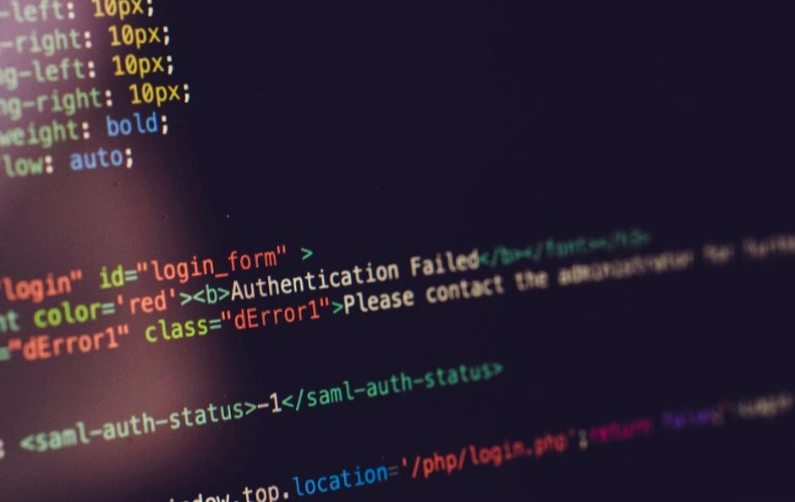
PHP vulnerability causes global disruptions
Section: Science
Markus Richter, the State Secretary in Germany’s Federal Ministry for Digital Affairs and Modernization, has voiced concerns over a recently discovered security vulnerability, underscoring the risks that such breaches pose to digital infrastructures. The revelation was made during an interview broadcast on October 23, 2026, where Richter outlined the potential impacts and emphasized the urgent need for bolstered security measures.
This disclosure highlights ongoing vulnerabilities in digital systems that could affect a range of services and infrastructure within Germany and potentially beyond. The security gap, while specific details were not disclosed, is reported to impact several digital services, suggesting a broad potential for data compromise and exploitation. Richter did not specify which systems are affected but suggested that a comprehensive approach to safeguarding digital technologies is critical.
In response to these concerns, the Federal Ministry has called for an immediate evaluation of current systems to identify and rectify the weaknesses exposed by this vulnerability. The ministry is mobilizing a task force that will work closely with cybersecurity experts to develop a framework that aims to enhance the resilience of Germany’s digital infrastructure against such threats.
Richter highlighted the importance of collaboration between public and private entities in addressing these challenges. He noted that while technology advances rapidly, security protocols and practices must evolve at an equally fast pace to counteract potential breaches and maintain trust in digital systems.
Reports on the nature of the security breach have not been widely detailed beyond official statements, fueling speculation about potential exposure of sensitive data. It remains unclear whether any data has been compromised or if personal information is at risk, prompting calls for transparency in how such vulnerabilities are communicated and tackled.
Experts reiterate the necessity for stringent security measures, citing the evolving tactics used by cybercriminals which target vulnerable systems with increasing sophistication. The breach serves as a reminder of the persistent threat posed by cyberattacks, which can disrupt critical services and endanger national security.
Germany's digital landscape faces ongoing challenges in balancing cutting-edge innovation against the backdrop of security. This includes safeguarding against intrusion, ensuring data privacy, and maintaining the integrity of digital communications. Incidents such as the recent security vulnerability underscore the importance of a proactive stance in cybersecurity, demanding vigilance from all stakeholders involved in digital governance.
The Federal Ministry's approach is reflective of broader trends in global cybersecurity efforts. Nations worldwide are grappling with similar issues, striving to protect sensitive data and critical infrastructure from increasingly complex cyber threats. Germany’s efforts to address the latest vulnerability parallel international initiatives aimed at fostering cyber resilience and enhancing security frameworks to prevent future attacks.
As nations become more interconnected through digital means, the responsibility to secure communications and information becomes paramount. This incident serves as a catalyst for further discussions on the shared responsibility between governments, businesses, and individuals in safeguarding digital environments. Richter’s comments underscore the necessity of such dialogue, highlighting the importance of integrated efforts in combating the ever-present threat of cyberattacks.
In action, Germany has been ramping up its cybersecurity measures over recent years, implementing policies and frameworks that aim to protect against such vulnerabilities. However, the discovery of security gaps indicates the need for continuous improvement and adaptation to new threats. This includes investing in cutting-edge technology, training cybersecurity personnel, and ensuring robust incident response plans are in place to efficiently manage emergencies.
In parallel with domestic efforts, Germany also participates in international cybersecurity collaborations, working with other nations to share best practices and develop common strategies against the global threat landscape. These partnerships are critical in formulating comprehensive defenses that address transnational cyber challenges.
Looking ahead, the focus on cybersecurity remains a priority, with federal authorities committed to implementing enhanced security measures and maintaining close cooperation with industry experts. As digital systems evolve, so will the need for adaptive security strategies, ensuring that new solutions are always prepared to meet emerging threats head-on. The call for meticulous diligence in cybersecurity protocols remains clear, reminding stakeholders of their roles in protecting digital spaces.
Source: tagesschau.de
Section: Science

Section: News

Section: News

Section: News

Section: Business

Section: Politics

Section: Travel

Section: News

Section: Science

Section: Health
Both private Health Insurance in Germany and public insurance, is often complicated to navigate, not to mention expensive. As an expat, you are required to navigate this landscape within weeks of arriving, so check our FAQ on PKV. For our guide on resources and access to agents who can give you a competitive quote, try our PKV Calculator.
Germany is famous for its medical expertise and extensive number of hospitals and clinics. See this comprehensive directory of hospitals and clinics across the country, complete with links to their websites, addresses, contact info, and specializations/services.
Didn't manage to get a ticket for Linkin Park? Or still not enough after the concert? Join us at CRASH on June 12th for our "IN THE END" Linkin Park Special + CORE NIGHT.All night long, we'll be playing Linkin Park's music, along with Nu Metal, Metalcore, and Alternative Rock from bands such as Limp...



No comments yet. Be the first to comment!