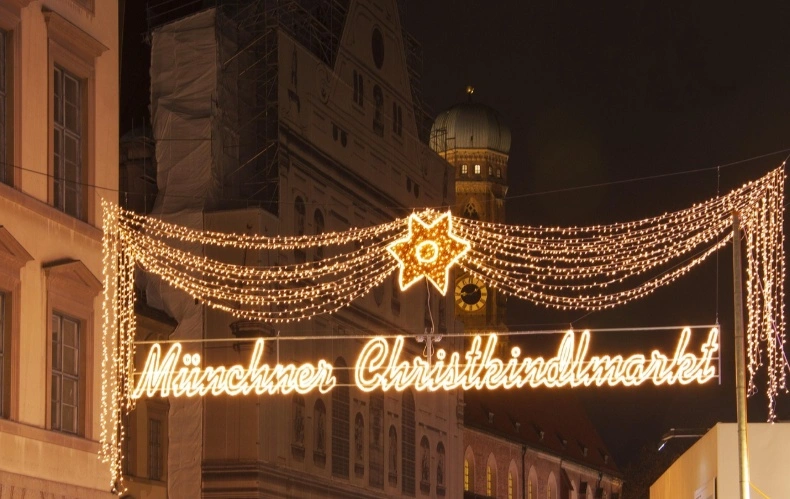
Munich's Christmas Markets 2026: One Evening, Five Markets on Foot
Section: Arts
The German metal industry faces significant disruption as IG Metall initiates its first 24-hour warning strikes in eight years, with operations halting across the nation. The industrial action, beginning on Friday, impacts thousands of employees at various companies throughout Germany, aimed at increasing pressure in stalled collective bargaining with employers in the metal and electronics sector.
The strike affects approximately 3.7 million workers employed under the collective agreement in industries such as automotive, machinery, electronics, and metal production. IG Metall's strike includes major manufacturers such as BMW and Audi in Bavaria, suppliers in Baden-Württemberg, and shipyards in the north of the country. Strikes commenced on Thursday at select operations, and further actions are expected at the start of next week.
This large-scale industrial action marks a departure from IG Metall's typical short-term warning strikes, as the union now resorts to lengthy, full-day work stoppages. This tactic accompanies the payment of strike benefits to union members, signaling a more intense phase of labor dispute. Employers have criticized the move, citing potential severe economic impacts during already challenging times, which they say could threaten jobs and entire sites.
The decision to launch extensive strikes follows the unproductive conclusion of the third round of negotiations between union representatives and employers. The talks, aimed at reaching a favorable agreement for workers across vital industrial sectors, failed to yield any significant progress, prompting the union to escalate its measures.
Historically, Germany's metal and electronics industries hold a significant place in the nation's economy. The sector's disruptions are likely to ripple through the supply chain, affecting production outputs and potentially impacting the broader economic landscape. This increased union activity underscores the tensions in labor relations as workers push for better wages and conditions.
Union leaders argue that the strikes are necessary to obtain a fair deal for the workforce amid rising living costs and economic uncertainties. IG Metall, Europe’s largest industrial union, is using its influence to advocate for terms that reflect these challenges and reward workers' contributions effectively. The union contends that without substantial improvements, the workers are left vulnerable in an uncertain economic climate.
Employer representatives, however, have argued that significant increases in wages could impose financial burdens on companies already striving to navigate through global economic volatility. They are calling for balanced negotiations to ensure long-term stability and competitiveness within the industry.
As the industrial action continues, both sides are likely to feel mounting pressure to resume discussions. The union's actions are seen as a strategic move to force employers back to the negotiating table, while employers are tasked with mitigating operational disruptions and the financial consequences of the stoppages.
The unfolding events in Germany reflect broader labor trends where unions seek to leverage collective power for favorable contract negotiations amidst economic challenges. Such scenarios often test the balance between asserting workers' rights and maintaining industry stability, drawing attention from both national and international observers.
The outcome of this wage dispute will be closely watched, as it may set precedents for future negotiations in Germany and beyond. As IG Metall ramps up its actions, stakeholders from various sectors are looking for signs of resolution and hoping for a swift return to normalcy.
Section: Arts
Section: Politics

Section: News
Section: Travel
Section: Politics
Section: News
Section: News
Section: News
Section: News

Section: Fashion
Both private Health Insurance in Germany and public insurance, is often complicated to navigate, not to mention expensive. As an expat, you are required to navigate this landscape within weeks of arriving, so check our FAQ on PKV. For our guide on resources and access to agents who can give you a competitive quote, try our PKV Calculator.
Germany is famous for its medical expertise and extensive number of hospitals and clinics. See this comprehensive directory of hospitals and clinics across the country, complete with links to their websites, addresses, contact info, and specializations/services.
Didn't manage to get a ticket for Linkin Park? Or still not enough after the concert? Join us at CRASH on June 12th for our "IN THE END" Linkin Park Special + CORE NIGHT.All night long, we'll be playing Linkin Park's music, along with Nu Metal, Metalcore, and Alternative Rock from bands such as Limp...


No comments yet. Be the first to comment!