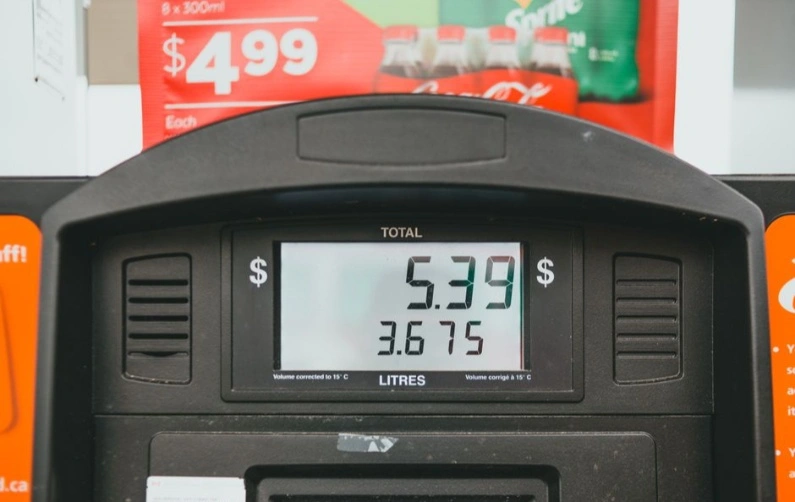
G7 nations agree to release oil reserves amid high fuel prices
Section: News
The German automotive industry is currently dealing with heightened uncertainty about its future as recent indicators reveal a notable decline in business confidence. After showing signs of recovery in October, the latest figures suggest that the sector's outlook has become increasingly negative.
According to recent data, the overall sentiment within the automotive sector has dropped significantly. The business climate index, which measures the mood among manufacturers, fell sharply in November, reversing the positive momentum from the previous month. This downturn can primarily be attributed to a more pessimistic view of the industry's prospects for the coming months.
Although companies in the automotive field reported a slight improvement in their current business situation compared to October, their expectations for future performance have deteriorated considerably. The indicator reflecting these expectations showed a substantial decrease, signaling that manufacturers anticipate challenging conditions ahead.
The industry's woes are further reflected in new vehicle registration statistics. Up to October, the number of newly registered cars in Germany was 2.5 percent lower than in the same period the previous year. This trend underscores the ongoing struggle to stimulate demand in a market that has traditionally been a cornerstone of the German economy.
Macroeconomic Factors Affecting the IndustryExperts attribute the recent volatility in the automotive business climate to broader economic and political uncertainties, both domestically and internationally. Economic policy debates and shifts, as well as global events, have contributed to a fluctuating business environment. Since mid-year, the sector's business climate index has exhibited significant swings, moving between periods of modest improvement and renewed pessimism. Despite these fluctuations, the index remains below levels considered healthy for robust industry growth.
Before the recent upturns, the business climate had remained deeply negative for over six months, indicating a prolonged period of subdued confidence. The short-lived recovery during the summer months was not sustained, and the sector has since returned to a pattern of alternating gains and losses in sentiment.
Electrification and Market ShiftsAnother challenge facing the German automotive sector is the slow adoption of electric vehicles. While the number of electric cars on German roads is approaching two million, the transition to electric mobility is progressing more slowly than anticipated. Market studies highlight that many consumers remain cautious about switching to electric vehicles, citing concerns over infrastructure, cost, and range.
Major German car manufacturers are also contending with financial pressures. Several key players have reported either declining profits or outright losses, reflecting the broader market slowdown and the need for significant investment in new technologies. The push towards electrification and digitalization requires substantial capital outlays, further straining company finances at a time of uncertain demand.
Industry Response and OutlookIn response to these headwinds, automotive firms are reassessing their strategies to adapt to a rapidly evolving market landscape. This includes increasing their focus on research and development, exploring new business models centered around mobility services, and adjusting production plans to align with shifting consumer preferences.
Despite the current challenges, industry leaders continue to emphasize the sector's long-term importance to the German economy. The automotive industry remains a major employer and export driver. However, the path forward is expected to be marked by significant transformation and adaptation, with ongoing uncertainty likely to shape the sector's performance in the near future.
As the year progresses, automotive companies and industry observers will closely monitor key indicators such as production volumes, new registrations, and consumer sentiment. These metrics will offer valuable insight into how the sector is navigating the current period of economic and structural change.
Section: News
Section: Politics
Section: News

Section: Fashion

Section: Fashion
Section: Arts
Section: Business

Section: Business

Section: News

Section: Arts
Both private Health Insurance in Germany and public insurance, is often complicated to navigate, not to mention expensive. As an expat, you are required to navigate this landscape within weeks of arriving, so check our FAQ on PKV. For our guide on resources and access to agents who can give you a competitive quote, try our PKV Calculator.
Germany is famous for its medical expertise and extensive number of hospitals and clinics. See this comprehensive directory of hospitals and clinics across the country, complete with links to their websites, addresses, contact info, and specializations/services.
Didn't manage to get a ticket for Linkin Park? Or still not enough after the concert? Join us at CRASH on June 12th for our "IN THE END" Linkin Park Special + CORE NIGHT.All night long, we'll be playing Linkin Park's music, along with Nu Metal, Metalcore, and Alternative Rock from bands such as Limp...



No comments yet. Be the first to comment!