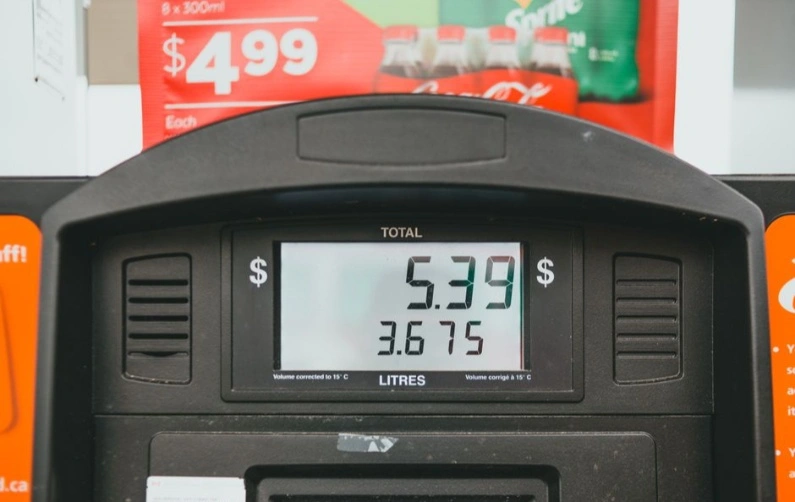
G7 nations agree to release oil reserves amid high fuel prices
Section: News
The infrastructure of Germany's national railway system, managed by Deutsche Bahn subsidiary InfraGO, has shown initial signs of stabilization after a prolonged period of deterioration. According to the latest annual assessment, the overall condition of the railway network and associated facilities remains rated at an average level, mirroring the previous year's evaluation. This assessment involved a comprehensive review of over 380,000 railway installations, utilizing a grading system similar to school report cards.
The evaluation highlights persistent challenges in specific areas, notably the signal boxes, which continue to receive the lowest marks, indicating significant need for modernization. Signal boxes were rated at just above the threshold for urgent attention, with few installations considered to be in good or new condition. Conversely, noise protection structures were identified as the best-performing category, followed by tunnels and supporting structures, both receiving above-average marks. Areas with the greatest need for improvement, aside from signal boxes, include level crossings and railway switches. The proportion of installations requiring urgent renewal has slightly decreased compared to the previous year, suggesting a modest improvement in network condition.
Efforts to halt the downward trend have included substantial investments in maintenance and infrastructure upgrades. In the most recent reporting year, Deutsche Bahn allocated nearly 20 billion euros to the upkeep and renewal of the network and facilities. The company has announced plans to further increase investment in the coming year, with over 23 billion euros earmarked for infrastructure improvements. This financial commitment is part of a broader strategy to address the backlog of necessary upgrades accumulated over decades.
One positive development has been noted in the condition of railway stations. The average rating for stations has seen a slight improvement, attributed to the comprehensive modernization of over a hundred stations within a single year. These upgrades aim to enhance passenger experience and overall accessibility across the network. Despite these gains, some facilities still lag behind, underscoring the ongoing challenges faced by the rail system.
Geographical disparities are evident in the assessment results. Eastern German states, including Thuringia, Saxony-Anhalt, Saxony, Berlin, Mecklenburg-Western Pomerania, and Brandenburg, achieved higher scores for track conditions compared to their western counterparts. This variance is largely attributed to focused investment in the eastern rail infrastructure since German reunification. In contrast, North Rhine-Westphalia recorded the lowest marks for track condition, while other western and northwestern states followed closely. For station ratings, Schleswig-Holstein leads, followed by Bremen and Hamburg, with Berlin, Thuringia, and Saxony receiving the lowest marks.
The challenges facing the German rail system are not limited to the tracks and stations. The state of the country's federal highways also remains a concern, with a significant portion of the road network identified as requiring urgent renovation. The broader context underscores the need for sustained investment in national infrastructure to ensure long-term reliability and efficiency.
Looking ahead, Deutsche Bahn anticipates a high volume of construction activity, with tens of thousands of planned works expected to cause temporary delays for passengers. The company has called for continued government support to address the historical underfunding of the rail network and to drive further improvements in service quality and infrastructure resilience.
Section: News
Section: Politics
Section: News

Section: Fashion

Section: Fashion
Section: Arts

Section: Business

Section: Business

Section: News

Section: Arts
Both private Health Insurance in Germany and public insurance, is often complicated to navigate, not to mention expensive. As an expat, you are required to navigate this landscape within weeks of arriving, so check our FAQ on PKV. For our guide on resources and access to agents who can give you a competitive quote, try our PKV Calculator.
Germany is famous for its medical expertise and extensive number of hospitals and clinics. See this comprehensive directory of hospitals and clinics across the country, complete with links to their websites, addresses, contact info, and specializations/services.
Didn't manage to get a ticket for Linkin Park? Or still not enough after the concert? Join us at CRASH on June 12th for our "IN THE END" Linkin Park Special + CORE NIGHT.All night long, we'll be playing Linkin Park's music, along with Nu Metal, Metalcore, and Alternative Rock from bands such as Limp...



No comments yet. Be the first to comment!