Zelensky urges US to enforce limited ceasefire
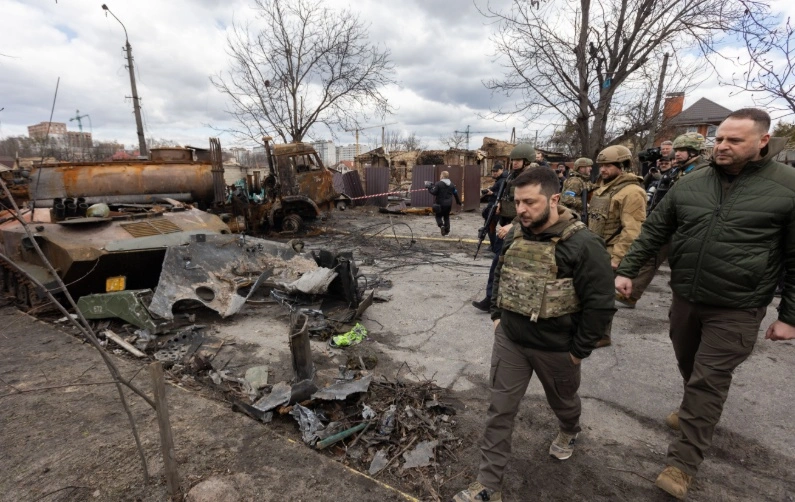
Ukrainian President Volodymyr Zelensky has called on the United States to actively enforce a limited ceasefire with Russia. Speaking on October 12, 2026, Zelensky emphasized the importance of American involvement in ensuring that the agreed terms of the ceasefire are upheld. The call comes amidst ongoing tensions between Ukraine and Russia, as sporadic clashes continue despite prior agreements aimed at reducing hostilities.
Zelensky's appeal highlights the uncertainty surrounding the stability of the conflict, as both Ukrainian and Russian forces remain positioned along contested areas. The Ukrainian leader's request to the U.S. is part of a broader strategy to garner international support and maintain pressure on Russia for compliance with ceasefire agreements.
The ceasefire, which is intended to pave the way for more substantive peace talks, has been marred by violations on both sides. Ukraine has accused Russia of deploying additional troops in areas that should have been demilitarized according to the agreed terms. Russia, in turn, has accused Ukraine of military provocations that threaten the fragile truce.
Intervention by the United States, according to Zelensky, could help stabilize the situation and provide a framework for future negotiations. Washington's established diplomatic ties with key stakeholders in the conflict could be instrumental in brokering a more enduring peace settlement.
In recent months, Ukraine has ramped up its calls for Western involvement in the peace process. The Ukrainian government continues to push for more direct international intervention, viewing Western support as a counterbalance to Russian military influence in the region.
The call for action from the United States also reflects broader geopolitical concerns. The conflict in Ukraine is considered by many analysts to be a flashpoint in broader NATO-Russian relations. The United States, a prominent NATO member, has previously supplied Ukraine with military aid and training, although direct military involvement has been limited to advisory roles and strategic support.
The potential for escalation remains a pressing concern for regional security experts. The ongoing conflict has displaced thousands of civilians and disrupted critical infrastructure in the east of Ukraine. Humanitarian agencies have warned of worsening conditions if hostilities escalate during the winter months.
While the limited ceasefire is a step toward de-escalation, its fragility has led to skepticism about its long-term viability. International observers are closely monitoring the situation, and there are calls for a more robust monitoring system to ensure transparency and accountability in adherence to the ceasefire.
The reiteration of establishing continued engagement with international partners could provide momentum toward a peaceful resolution. However, the road ahead is fraught with challenges, with both sides needing to compromise significantly to achieve lasting peace.
Zelensky's outreach to the United States is indicative of Ukraine's strategic approach to international diplomacy. By seeking U.S. assurance and backing at this critical juncture, Ukraine hopes to fortify its negotiating position and widen the scope for diplomatic interventions.
As international diplomatic efforts continue, the effectiveness of the proposed ceasefire measures remains a primary concern for all parties involved. The role of the United States, alongside other international actors, is seen as critical to any potential resolution of the conflict. Continued negotiation and adherence to international laws remain fundamental to achieving a sustained peace.
Oleksandr Ratushniak