Why Turquoise Is Becoming Most Viral Color of 2026
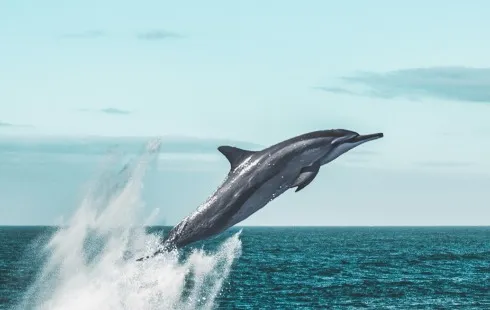 Turquoise is everywhere again. Across TikTok, runway collections, beauty campaigns and celebrity styling, the color has rapidly become one of the defining visual trends of 2026. But like most fashion phenomena, its rise is not only aesthetic, it reflects a combination of nostalgia, digital culture and the cyclical nature of trend consumption itself.
One of the biggest reasons behind turquoise's resurgence is nostalgia. Fashion continues to revisit the visual language of the late 2000s and early 2010s, a period where turquoise occupied a central place in pop culture imagery. From celebrity red carpets and tropical resortwear to statement jewellery, satin dresses and heavy flash photography, the color became associated with a very specific kind of hyper visible glamour. Its return taps directly into collective memories of that era, especially for Gen Z audiences rediscovering it online through archived paparazzi photos, early internet aesthetics.
TikTok has accelerated this revival dramatically. The platform thrives on instantly recognisable visuals, and turquoise performs particularly well in short form content because of how strongly it contrasts against the neutral palettes that have dominated fashion and social media in recent years. In an online environment saturated with beige interiors, monochromatic outfits and minimalism, turquoise feels disruptive. It catches attention immediately, which makes it ideal for trend circulation.
The rise of turquoise also reflects a broader cultural shift away from quiet luxury and visual restraint. After several years of muted tones and polished simplicity, fashion audiences appear increasingly drawn toward colors that feel emotional, excessive and expressive again. In many ways, turquoise represents a rejection of hyper curated minimalism as a return to visible styling choices that embrace personality rather than neutrality.
There is also a political and social dimension behind the trend. Historically, periods of political regression and cultural uncertainty often produce stronger aesthetic reactions in fashion. As conservative rhetoric and social tensions continue to rise globally, fashion tends to respond through exaggeration, nostalgia and escapism. Turquoise, with its artificial brightness and association with fantasy, nightlife and leisure, becomes a form of visual release. It offers optimism, but also distraction. At the same time, the trend perfectly fits the logic of the microtrend cycle. Modern fashion consumption moves faster than ever, largely driven by algorithmic visibility rather than seasonal development. Colors now trend almost like songs or memes: quickly identified, mass reproduced and rapidly exhausted. Turquoise's virality reflects this system precisely. The color is adaptable, easy to style digitally, and instantly recognisable in a feed, making it highly compatible with TikTok's accelerated trend economy.
What makes turquoise particularly interesting is that it sits between irony and sincerity. It can evoke Y2K excess, beach nostalgia, futuristic beauty or even kitsch, depending on how it is styled. This flexibility allows the color to circulate across aesthetics without fully belonging to one, helping it spread even faster online. More than just a seasonal shade, turquoise has become a cultural reaction to minimalism, to visual sameness, and to the exhaustion of hyper neutral fashion. Its popularity reveals a growing desire for intensity again, even if only temporarily.