Scania CEO Criticizes EU for Lagging Behind in Electric Truck Market
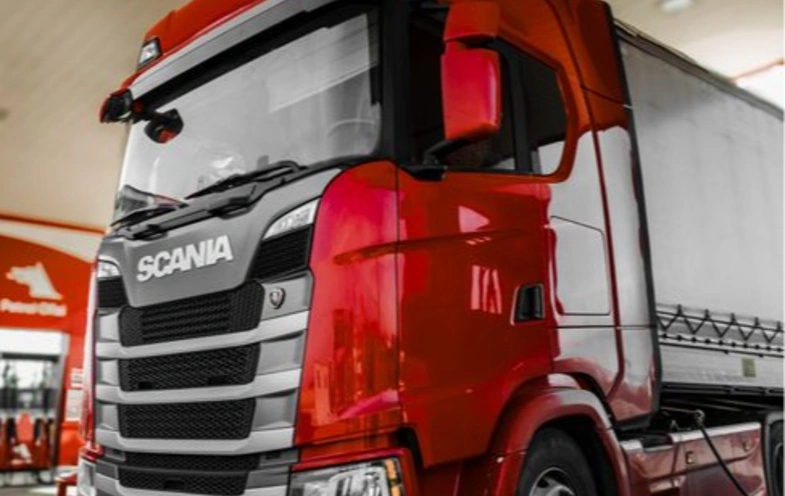
The head of Scania, a leading European truck manufacturer, has voiced concerns about Europe's lagging progress compared to China in the development of electric trucks. Christian Levin, CEO of Scania, a premium brand in the trucking industry, pointed to various factors within the European system of industry, regulators, and policymakers that have failed to scale the market effectively, despite Europe’s long-standing leadership in the traditional trucking sector.
Levin highlighted the significant delays in infrastructure development as a crucial issue, citing the European legal framework which mandates EU member states to expand charging infrastructure. The stipulated charging capacity was insufficient for trucks, and Levin mentioned, "At least there was a regulation, but it was largely ignored by many member states."
As a result, China has accelerated its advancements in this sector, gaining valuable customer feedback and improving the quality of their electric trucks more rapidly. Levin noted that while European companies have extensive knowledge about truck usage in daily operations, they lack expertise in electric motors, inverters, and batteries, setting China at an advantage in the race for innovation.
Despite the challenges, Levin emphasized that European manufacturers retain certain advantages. These include established customer relationships, brand trust, and a vast service network that would be difficult for new entrants to replicate quickly. The European model for providing comprehensive services, including roadside assistance, spare parts supply, and financial services, as part of a monthly payment also gives local companies an edge.
The range of the truck market also plays a role in Europe's competitive position, with brands from high-end manufacturers like Scania to more affordable options catering to different segments. Levin remarked that though there is demand for cheaper trucks, this segment accounts for only a small portion, possibly 10 to 15 percent of the market. Relying solely on low-end products limits growth potential.
Another factor Levin outlined was the importance of residual value in the trucking industry. No truck buyer purchases a vehicle to use until its complete technical lifespan. Typically, a heavy truck is acquired with a lease over several years, with costs determined largely by the vehicle's residual value at the end of this period. While manufacturers can manage this risk, newer market participants with limited financial strength may struggle to compete effectively in this aspect.
Levin expressed disappointment at the inability to work more closely with regulators to promote market scaling in a sector that has been a traditional European stronghold for a century. However, he remains optimistic about Europe’s ability to catch up, leveraging its accumulated industry knowledge and robust service networks to meet growing demands and improve technological capabilities.
The ongoing development of electric trucks and the need for supportive infrastructure are pressing concerns that need addressing to maintain and possibly regain Europe’s competitive position in the global market. As China continues to advance, European stakeholders in the trucking industry are urged to foster greater collaboration and innovation to ensure they do not fall further behind.
Photo by Emrecan Dora on Pexels