Record Orders in German Industry Driven by Defense Spending
Germany's industrial sector is experiencing a significant boost as order books have reached unprecedented levels, largely driven by government defense investments. According to the Federal Statistical Office in Wiesbaden, the order backlog in the manufacturing sector increased by 1.5% in July compared to the previous month, marking a new all-time high.
In comparison to the same month last year, the order backlog rose by 10.9%. This trend has continued over recent months, indicating a steady growth pattern in Germany's industrial orders.
The order backlog's duration has reached nine months, the longest since data collection began in 2015. This measure reflects the number of months required for companies to fulfill existing orders at current revenue levels. The significant length further highlights the vigor of the current industrial cycle.
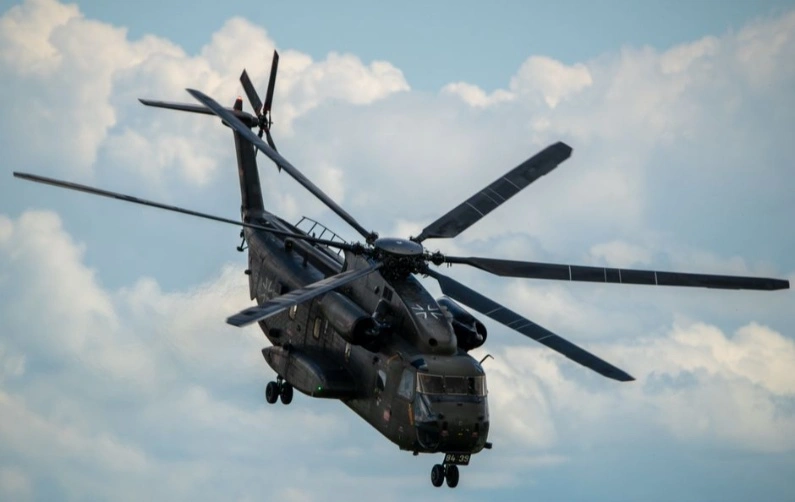
Particularly buoying this positive trend is an increase in orders for "other vehicle manufacturing," which includes aircraft, ships, trains, and military vehicles. A surge in new orders in these sectors, combined with longer production timelines, has contributed to the uptrend. State defense spending has been a pivotal factor in this increase, according to statisticians.
Additionally, the machinery sector saw a modest rise in orders, further contributing positively to the overall industrial outlook. In contrast, the automotive sector faced a decline in its order backlog.
The encouraging figures come as leading economic institutes have adjusted their forecasts upward for the German economy, supported by rising exports and significant governmental spending. The Ifo Institute, a key economic research body, projects a growth rate of 1.4% for the German economy in 2026. This prediction is a stark improvement from the 0.2% increase in gross domestic product observed in 2025, following two years of economic contraction.
The current data suggest that Germany's industrial sector is rebounding more robustly than previously expected. The defense and machinery industries, in particular, appear to be the main engines of this recovery. The strategic investments in defense and heavy industry underscore the country's pivot towards bolstering its industrial capacity amid global tensions and economic shifts.
This surge in orders, driven by both external demand and strategic internal investments, implies a shift in the economic landscape that could have lasting impacts on Germany's industrial base. As global dynamics continue to evolve, Germany's strong industrial performance places it in a favorable position to capitalize on future opportunities and challenges.
Photo by Leon Aschemann on Pexels