Protests erupt across Europe amid various grievances
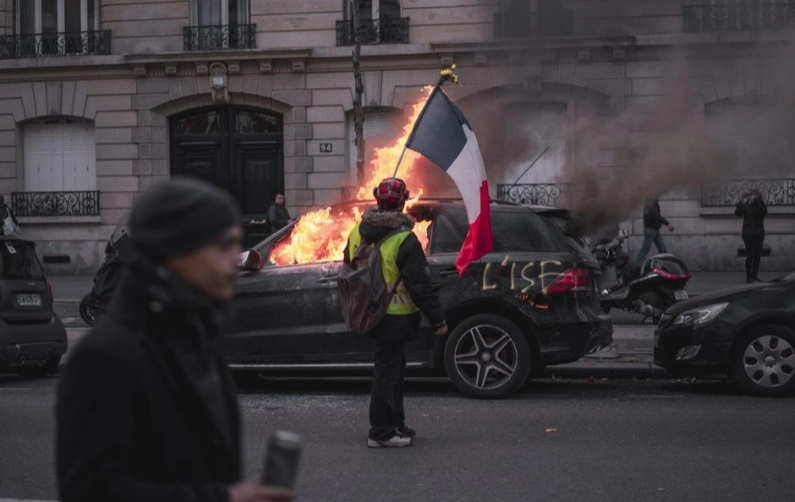
Violent protests in France have dominated headlines in recent days, with similar demonstrations spreading to other European countries. The root causes behind these protests vary, yet there are common themes. The ongoing civil unrest has prompted a series of responses from governments concerned about escalating violence and public safety.
In France, protests that began weeks ago have spread nationwide. Initially, students took to the streets to protest against teacher shortages and inadequate learning conditions, blocking schools across the country. As tensions grew, the protests expanded to include grievances over high living costs and dissatisfaction with the political leadership. These protests quickly turned violent, particularly in recent days.
Several cities in France have witnessed intense confrontations between demonstrators and police forces. Over the weekend, protesters set fire to the town hall in Limoges, leading to its collapse. There have been numerous injuries reported in clashes involving police and protesters, including among young people. Incidents of looting have been reported, prompting authorities to consider stronger measures.
French Prime Minister Sébastien Lecornu announced the imposition of local curfews in an attempt to prevent further violence and protect businesses from looting. Despite these measures, calls for new protests continue to emerge online, suggesting that unrest may persist.
Similar scenes have been unfolding in Italy, where protests and clashes have erupted over the past few days. On Friday, thousands of students in Rome led demonstrations against government policies. Over the weekend, several northern cities including Milan, Bologna, Brescia, Bergamo, and Turin saw their own protests, some of which turned violent. The high cost of living has been a primary driver of dissatisfaction.
In Milan, the situation escalated on Sunday when demonstrators looted shops and hurled stones at police officers. Authorities reported more than 270 arrests, predominantly involving youths and young adults. Italian Prime Minister Giorgia Meloni condemned the violence and announced an upcoming government meeting to address the situation.
Aside from France and Italy, other European countries have experienced varying degrees of protest activities, although reports and details remain sparse. These movements appear to share concerns over economic conditions, governance, and social issues that resonate across borders in the current climate.
The widespread nature of these protests highlights underlying tensions within European societies experiencing economic and social pressure. The responses from various governments and their ability to quell violence and address the root causes will be closely monitored in the coming weeks.
Source: tagesschau.de
Photo by Alotrobo on Pexels