Oktoberfest 2026 Kicks Off With Rising Beer Prices
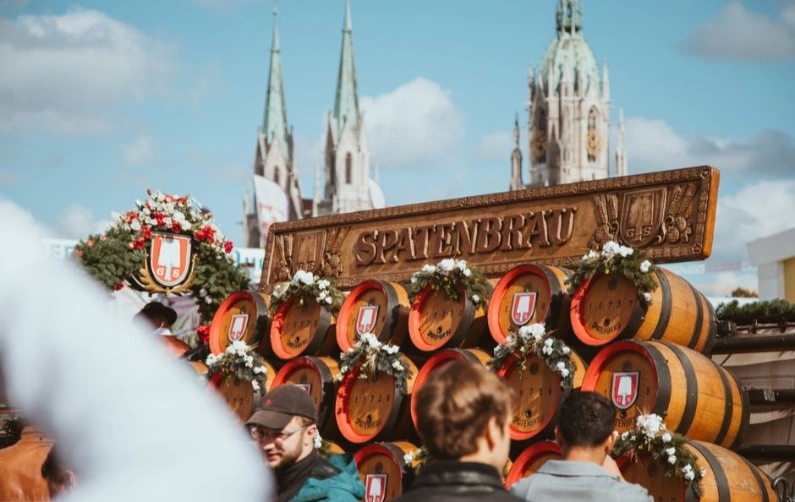
The 191st Oktoberfest, the world's largest folk festival, has opened in Munich, with the newly elected Mayor Dominik Krause preparing to tap the first keg as part of the traditional opening ceremony. This year, the average price for a liter of beer, known as a 'Maß', has increased by nearly 2.5%, ranging between €14.80 and €15.90. The event, which runs until October 4, is expected to attract over 6.5 million visitors.
Last year's event saw such a large turnout that access to the festival grounds was temporarily closed on multiple occasions. If crowds reach similar levels this year, it would further underscore a nationwide resurgence in festival participation as people seek out communal and celebratory experiences following the COVID-19 pandemic. Studies indicate that around 200 million people flock to one or more of Germany's roughly 9,750 folk festivals annually. According to research by GfK, such festivals attract at least 60% of the nation's population annually, including 76% of those aged 18 to 29 and 42% of those over 65.
Frank Hakelberg, head of the German Showmen's Association (DSB), notes that while attendance and spending at these events have increased, the number of festivals has remained stable. He attributes this stability to the cessation of closures of smaller festivals, a trend which began in the 1980s and 1990s. People are increasingly yearning for face-to-face interactions and community presence, Hakelberg said. While new festivals continue to emerge, such as city, street, and wine festivals, classic folk festivals remain unchanged. Some events have ceased due to land development, however.
This year recognized a milestone for German festivity culture as the centuries-old tradition of showmanship was added to the national register of intangible cultural heritage by the German UNESCO Commission. This distinction celebrates the intergenerational transmission of skills, crafts, and family traditions, which form the foundation of approximately 5,600 showmanship businesses in Germany. Among Germany's oldest cultural celebrations is the Lullusfest in Bad Hersfeld, dating back over 1,200 years, initially arising as a church festival.
In the winter season, German Christmas markets have gained significant economic and tourist importance, evolving from a supplementary business for showmen to a crucial component for city centers. These markets, originally intended to extend the showman season into colder months, have grown into major attractions in their own right.
As festivities gain traction, so does the willingness of individuals to spend on leisure activities. An Allensbach survey conducted last year found that 28.3% of respondents prioritized going out and were willing to spend considerable amounts of money on it, up from 26% in the previous year. The study predicts that the number of people in Germany with a high propensity to spend on going out will increase from 18.4 million in 2022 to 20.1 million by 2025. However, spending on travel, home improvements, and good nutrition remains a priority for many.
Photo by Bastian Riccardi on Pexels