New EU Customs Rules Are Coming for Online Shopping This November
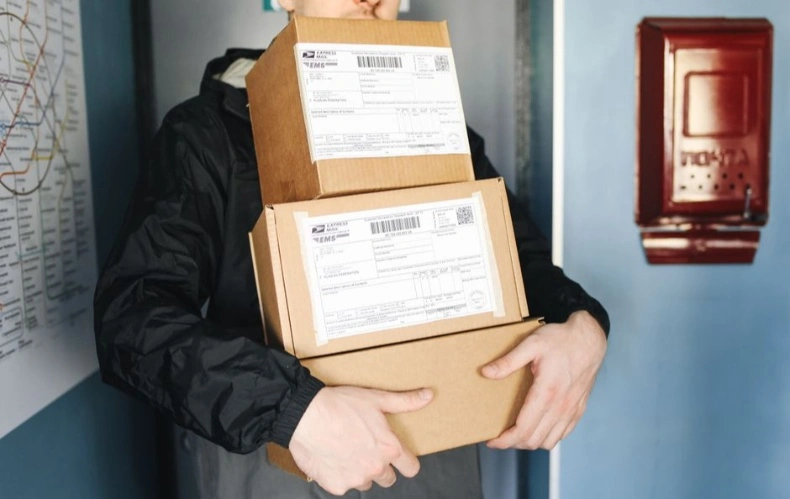 Anyone in the EU who regularly orders goods from outside the bloc is about to see the customs process change, after the European Parliament approved a major reform of the EU Customs Code introducing stricter rules for e-commerce imports.
What the Reform Changes
According to the European Parliament's own announcement, the reform establishes a new EU customs authority, to be based in Lille, France, tasked with overseeing enforcement of the updated code across all member states. Alongside the new authority, the reform introduces tighter requirements specifically targeting goods ordered directly by consumers from outside the EU, an area regulators have identified as a growing gap in customs enforcement as cross border online retail has expanded in recent years.
By November 2026, a new handling fee will apply to goods ordered directly from non EU retailers, a change aimed at closing what officials have described as a loophole that let low value parcels bypass standard customs scrutiny and fees that apply to larger commercial shipments.
Why This Matters for Anyone Living in the EU
For residents across the bloc, including expats in France, Germany and elsewhere who regularly order from retailers based outside the EU, this reform directly affects the cost and process of receiving those packages. Parcels that previously moved through customs with minimal fees or oversight will now fall under a more consistent, centrally enforced framework, regardless of which EU country the parcel is entering through.
A New Authority, Not Just New Rules
The decision to house the new customs authority in Lille is notable in itself. Rather than distributing enforcement responsibility across each member state's existing customs infrastructure, the reform centralizes oversight under a single dedicated body, an approach the EU has increasingly favored in other policy areas as a way of ensuring consistent enforcement rather than relying on 27 separate national systems applying the same rules with varying degrees of rigor.
What to Expect Before November
Consumers who frequently order from retailers outside the EU, including popular platforms based in Asia and North America, should expect the practical effects of this reform to become visible gradually as the November deadline approaches, with handling fees and processing times likely to shift as the new authority ramps up enforcement. Retailers themselves will also need to adjust how they declare and route shipments into the EU, which may affect delivery times independent of the fee changes themselves.
Sources: European Parliament official press release.
Photo by Polina Tankilevitch on Pexels