Government Coalition Maintains Stability After Public Disagreement
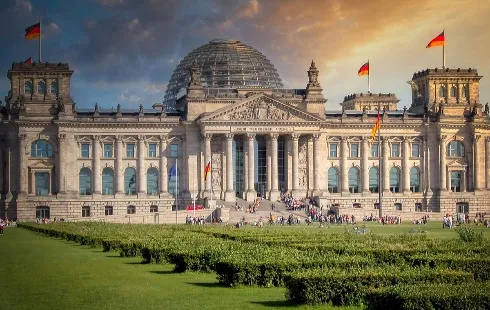 Following a recent public disagreement within the German government coalition, Chancellor Friedrich Merz has affirmed that the stability of the administration remains intact. The dispute, which involved high-ranking officials from both the Christian Democratic Union (CDU) and the Social Democratic Party (SPD), centered on proposed measures to address rising fuel prices and broader economic relief for consumers.
Last week, the situation intensified when Federal Minister for Economic Affairs, Katherina Reiche (CDU), criticized the SPD's proposed strategies for consumer relief, labeling them as potentially costly, ineffective, and posing constitutional questions. In particular, Reiche opposed the SPD's push for a windfall profits tax, arguing that it lacked legal foundations and would not deliver the intended economic outcomes. This criticism was directed at SPD leader Lars Klingbeil, whose party has advocated for stronger interventions to tackle increased fuel costs and corporate profits.
Amid the heightened tensions, Chancellor Merz addressed the issue after a series of consultations between coalition leaders. He emphasized that while the public nature of the debate was undesirable, the coalition government remains unaffected in its ability to function. Merz explained that the coalition had concluded its internal discussions over the weekend, signaling a return to more unified communication and decision-making.
The primary point of contention was the proposal for a windfall profits tax, which the SPD views as a necessary step to ensure fairness for consumers facing escalating fuel prices. However, both Reiche and Merz expressed skepticism about the measure's legality and effectiveness. Instead, the coalition has agreed to explore alternative solutions rooted in existing legal frameworks, particularly focusing on regulatory and tax measures targeting the oil industry.
Merz clarified that any future interventions would be carefully designed to comply with antitrust and tax laws. The government intends to address instances of market abuse or price collusion in the energy sector through legal mechanisms that allow for the recovery of excessive profits. This approach aims to ensure that consumer protection measures are both effective and legally sound, avoiding the constitutional challenges that could arise from hastily implemented taxes.
SPD leader Klingbeil responded by reiterating the importance of political debate in a democratic society. He highlighted the need for visible government action in light of ongoing economic pressures, especially at fuel stations across the country. Klingbeil also noted that the coalition is pursuing solutions that are being evaluated at the European level, and that strengthening antitrust laws remains a priority for the administration.
Despite the recent public disagreement, both coalition partners have committed to maintaining a constructive working relationship. The government aims to move past the dispute and focus on implementing practical measures to alleviate economic burdens on citizens. The episode underscores the challenges of coalition governance, particularly when addressing complex economic issues that affect a broad segment of the population.
The coalition's approach demonstrates a commitment to responsible policymaking, balancing the need for immediate relief with the requirement to uphold legal standards. As the government continues to navigate economic challenges, further cooperation between the CDU and SPD is expected to shape future policy decisions. The administration's emphasis on legal compliance and unified action suggests a determination to maintain stability, even amid internal disagreements.